
Overview
Diagnosis
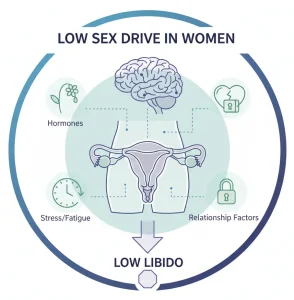
If low sex desire is affecting your well-being, your first step is to talk with your gynecologist or another healthcare professional. For many women, this issue may be part of a condition known as sexual interest-arousal disorder. This involves having at least three symptoms that lead to sadness or anxiety, such as:
• No interest in sexual activity or masturbation
• Few or no sexual thoughts or fantasies
• Not wanting to initiate sexual activity with a partner
• Reduced pleasure during sexual activity
• Decreased response to sexual or erotic cues
• Few or no physical sensations during most sexual experiences
You do not need to meet all criteria to seek help. A healthcare professional can help identify why your sex drive feels lower than expected.
During your appointment, your healthcare professional may ask about your medical and sexual history. They also may:
• Do a pelvic exam to check for physical changes such as vulvar skin conditions, thinning or dryness of vaginal tissue, or pain-triggering spots
• Recommend blood tests to check hormone levels, thyroid function, diabetes, cholesterol or liver conditions
• Refer you to a counselor or sex therapist to explore emotional or relationship factors contributing to low sexual desire
More Information
Pelvic exam
Treatment
Most women benefit from a treatment plan that addresses the multiple possible causes behind low sex drive. Approaches may involve sex education, counseling, and in some cases, medicines or hormone therapy.
Sex education and counseling
Talking with a trained sex therapist or counselor can help many women improve low sexual desire. Therapy often includes understanding sexual response, learning new techniques, and receiving recommendations for reading materials or couples’ exercises. Couples counseling may help build intimacy and strengthen emotional connection, which can improve desire.
Medications
Your healthcare professional may first review the medicines you currently take. Some medications can reduce libido, especially SSRI antidepressants such as paroxetine and fluoxetine.
If an antidepressant may be lowering your sex drive, possible recommendations include:
• Waiting to see if desire gradually improves
• Lowering the dose
• Taking a temporary break from the medicine
• Switching to another treatment
Some antidepressants are known to cause fewer sexual side effects, including:
• Mirtazapine
• Vilazodone
• Bupropion
• Vortioxetine
If you currently take an SSRI, bupropion may be added to help improve libido.
Along with counseling, your healthcare professional may also prescribe a medicine specifically designed to boost sexual desire. Options for women who have not yet reached menopause include:
• Flibanserin, a once-daily pill taken at bedtime that may cause dizziness, low blood pressure, drowsiness or stomach upset
• Bremelanotide, a self-injection used before sexual activity that may cause nausea, flushing, headache or skin reactions
These medications are not approved for use after menopause.
Hormone therapy
Vaginal dryness or shrinking of vaginal tissues is a common symptom of genitourinary syndrome of menopause. These changes can make sex uncomfortable, which may lower desire. Certain hormone treatments can relieve GSM symptoms, making sexual activity more comfortable and helping increase interest.
Hormone options include:
• Estrogen, available as pills, patches, sprays, gels, or low-dose vaginal products such as creams, suppositories or rings
• Testosterone, sometimes prescribed off-label to help improve libido in postmenopausal women, but monitored carefully due to possible side effects such as acne or extra body hair
• Prasterone, a vaginal insert used nightly to reduce pain during sex caused by GSM
• Ospemifene, a daily pill that helps ease painful sex but is not recommended for women with a history or high risk of breast cancer
Advertisement
