
Overview
Diagnosis
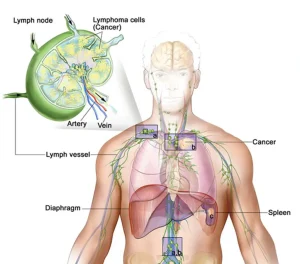
Lymphoma is often initially evaluated with a physical exam to check for swollen lymph nodes in the neck, underarms, and groin, as well as an enlarged spleen or liver. Further tests and procedures include blood tests, imaging tests, and tissue sampling for laboratory analysis.
Blood tests can detect lymphoma cells and assess for viruses such as HIV, hepatitis B, and hepatitis C. Blood levels of lactate dehydrogenase (LDH) may also be measured, as LDH is often elevated in people with lymphoma.
Imaging tests help determine the location and extent of lymphoma and may include MRI, CT, and PET scans.
Biopsies are performed to examine tissue for cancer cells. This may involve a lymph node biopsy or a biopsy from other affected tissues. Bone marrow aspiration and biopsy collect fluid and solid tissue samples from the bone marrow, usually from the hip bone, to determine if the lymphoma has spread.
A lumbar puncture may be performed to collect cerebrospinal fluid if there are neurological symptoms or a higher risk of central nervous system lymphoma. An upper endoscopy may be conducted to assess for lymphoma in the stomach by obtaining tissue samples via a flexible tube inserted through the mouth.
Lab testing of collected cells identifies the type of lymphoma. Tests examine:
• Proteins on the surface of lymphoma cells, known as markers, which help classify the type of lymphoma
• DNA changes such as translocations or deletions, which can indicate aggressive cell growth
Care at Mayo Clinic
Specialists provide expert evaluation and management for lymphoma
More Information
Lymphoma care at Mayo Clinic
CT scan
MRI
Treatment
Treatment for lymphoma varies based on the type, stage, growth rate of the cancer, overall health, and patient preference. Options include watch and wait, chemotherapy, immunotherapy, radiation therapy, targeted therapy, clinical trials, CAR-T cell therapy, bone marrow transplant, and treatments for cutaneous lymphomas.
Watch and wait
If the lymphoma is not causing symptoms, regular checkups every few months may be recommended to monitor for disease progression.
Chemotherapy
Chemotherapy uses strong medicines, often in combination, to treat lymphoma. It can be administered via vein or in pill form and may be combined with immunotherapy or other medicines. It is used for refractory or relapsed lymphoma when other treatments have not worked.
Immunotherapy
Immunotherapy helps the immune system detect and destroy cancer cells. It may be combined with chemotherapy and is also used for refractory or relapsed lymphoma.
Radiation therapy
Radiation uses high-energy beams such as X-rays or protons to target lymphoma cells. It may be combined with chemotherapy or used to relieve symptoms and improve quality of life.
Targeted therapy
Targeted therapy uses medicines to attack specific chemicals in lymphoma cells, causing them to die. It is used in some types of lymphoma and for refractory or relapsed B-cell lymphomas.
Clinical trials
Clinical trials test new treatments, providing access to the latest therapies, though potential side effects may be unknown.
CAR-T cell therapy
CAR-T therapy modifies a patient’s T cells to recognize and destroy lymphoma cells. It is primarily used for refractory or relapsed lymphomas.
Bone marrow transplant
A bone marrow transplant replaces damaged cells with healthy stem cells from the patient (autologous) or a donor (allogeneic). Chemotherapy is often administered prior to transplant to suppress the immune system and existing bone marrow.
Treatments for cutaneous lymphomas
These may include topical medicines such as corticosteroids, retinoids, or topical chemotherapy, as well as phototherapy combining light with medications to treat affected skin areas.
Monitoring after treatment
Follow-up appointments may include blood tests, imaging, and biopsies to detect any relapse.
Side effects of treatment
Treatment can cause side effects such as nausea, vomiting, fatigue, fever, rash, diarrhea, infection, and more serious complications including:
• Bone marrow suppression, leading to increased risk of infection
• Febrile neutropenia, a low white blood cell count with fever
• Medicine toxicity affecting organs
• Reactivation of prior viral infections, such as hepatitis B or C
• Tumor lysis syndrome, where rapid cancer cell breakdown affects kidneys and other organs
• Infertility, depending on the treatment used
Early discussion with your healthcare professional is important to manage side effects and preserve fertility when possible.
Advertisement
