
Overview
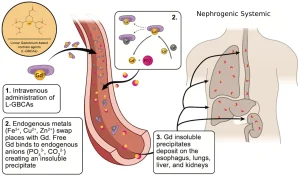
Diagnosis
Diagnosis of nephrogenic systemic fibrosis is made through:
• Physical exam to identify signs and symptoms of the disease, including reviewing history of MRI with gadolinium-based contrast in people with advanced kidney disease
• Skin and muscle biopsy to examine affected tissue
• Additional tests as needed to evaluate involvement of muscles and internal organs
Treatment
There is no cure for nephrogenic systemic fibrosis, and treatments are generally limited in halting or reversing disease progression. Some interventions may provide benefit in certain cases:
• Hemodialysis: For patients with advanced chronic kidney disease, performing hemodialysis immediately after receiving a gadolinium-based contrast agent may reduce the risk of nephrogenic systemic fibrosis
• Physical therapy: Stretching exercises may help slow joint contractures and preserve mobility
• Kidney transplant: Improvement in renal function after a transplant may reduce symptoms over time
• Extracorporeal photopheresis with ultraviolet A: Blood is treated with a light-sensitizing drug outside the body, exposed to ultraviolet light, and returned to the body; some patients have shown improvement
Experimental medications that have shown limited success include:
• Imatinib (Gleevec): May reduce skin thickening and tightening, though more research is needed
• Pentoxifylline (Pentoxil): Potentially improves blood flow and decreases blood viscosity; research is ongoing
• Sodium thiosulfate: Limited evidence of benefit
• High-dose intravenous immune globulin: May help in some cases, but more research is required
Management typically focuses on symptom relief and maintaining mobility while monitoring kidney function.
Advertisement
