
Overview
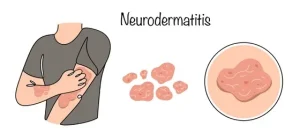
Diagnosis
To diagnose neurodermatitis, a healthcare provider examines your skin and discusses your symptoms. To rule out other conditions, a small sample of affected skin may be taken for laboratory analysis, called a skin biopsy.
Treatment
Treatment for neurodermatitis aims to control itching, prevent scratching, and address underlying triggers. The condition may recur even after successful treatment. Options may include:
Anti-itch creams
Prescription-strength corticosteroid creams or nonsteroidal anti-itch products containing calcineurin inhibitors, such as tacrolimus or pimecrolimus, can help ease itching, especially in sensitive areas.
Corticosteroid injections
Direct injections of corticosteroids into affected skin may help reduce inflammation and promote healing.
Medicine to ease itching
Prescription antihistamines can relieve itching and may also help reduce scratching during sleep.
Anti-anxiety drugs
Medications for anxiety may help prevent itchiness triggered by stress or emotional factors.
Medicated patches
Patches containing lidocaine or capsaicin may be recommended for persistent or localized itching.
OnabotulinumtoxinA (Botox) injection
Botox injections may be considered for cases that do not respond to other treatments.
Light therapy
Exposing affected skin to specific types of light can help reduce symptoms in treatment-resistant cases.
Talk therapy
Behavioral therapy or counseling can help manage stress and emotions that contribute to scratching and itchiness.
Advertisement
