
Overview
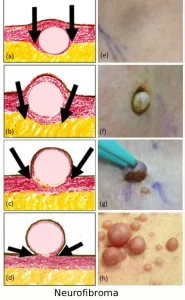
Diagnosis
Diagnosis of a neurofibroma typically starts with a physical exam and a review of your medical history by a healthcare professional.
Imaging tests may be performed to evaluate the tumor:
-
CT scan or MRI to locate the tumor, detect very small tumors, and assess affected tissues
-
PET scan to determine if the tumor is cancerous (malignant) or benign
A biopsy may also be taken to confirm the diagnosis, especially if surgery is being considered.
Treatment
Treatment for neurofibroma depends on the type, size, symptoms, and location of the tumor. Not all neurofibromas require treatment.
-
Monitoring: Small neurofibromas that do not cause symptoms may simply be observed with regular checkups and imaging to track growth. Observation may also be recommended for tumors in difficult-to-remove areas.
-
Medicine: Selumetinib (Koselugo) is approved for treating plexiform neurofibromas in children with neurofibromatosis type 1. This type of neurofibroma grows on multiple nerves, and the medicine may shrink the tumor.
-
Surgery: Surgical removal may be considered if the tumor causes symptoms, affects nearby tissues, or poses cosmetic concerns. Surgery aims to remove as much of the tumor as possible while minimizing nerve damage.
-
Rehabilitation: After surgery, physical and occupational therapy may be recommended to maintain joint and muscle function, prevent stiffness, and restore sensation.
-
Clinical trials: Experimental treatments may be available through clinical trials for eligible patients.
Request an appointment
Advertisement
