
Overview
Diagnosis
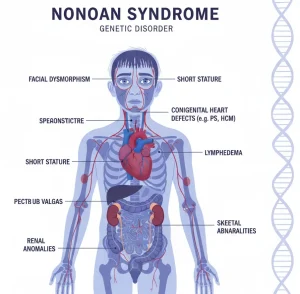
Noonan syndrome is usually diagnosed after a doctor observes key signs, although some features can be subtle and difficult to detect. In some cases, the condition is not identified until adulthood, often after a child is born who shows clearer signs. Genetic testing can confirm the diagnosis.
If heart problems are suspected, a cardiologist may evaluate the type and severity of the condition.
More information
Echocardiogram
Electrocardiogram (ECG or EKG)
Genetic testing
Treatment
There is no cure for Noonan syndrome, but treatment can reduce its effects. Early diagnosis and management improve outcomes. Treatment depends on the specific symptoms and their severity. A coordinated team approach is often recommended.
-
Heart treatment: Certain medications may address heart problems. Surgery may be needed for valve issues. Ongoing monitoring of heart function may be advised.
-
Managing growth: Height should be monitored frequently in early childhood and yearly after age 3. Blood tests can evaluate nutrition and hormone levels. Growth hormone therapy may be considered if growth hormone deficiency is detected.
-
Learning and developmental support: Early intervention programs, physical therapy, speech therapy, and specialized education strategies may be recommended for developmental delays or learning difficulties.
-
Vision and hearing care: Eye exams are recommended at least every two years; glasses or surgery may be needed. Annual hearing screenings are advised during childhood.
-
Bleeding and bruising: Avoid aspirin and similar products if there is a history of bleeding issues. Doctors may prescribe clotting-supportive medications as needed.
-
Fluid management: Fluid buildup may require monitoring or specific interventions, depending on severity.
-
Genital issues: Undescended testicles may require surgery in the first few months of life.
Ongoing evaluations and follow-up care are important for addressing complications and ensuring the best possible outcomes for individuals with Noonan syndrome.
Advertisement
