
Overview
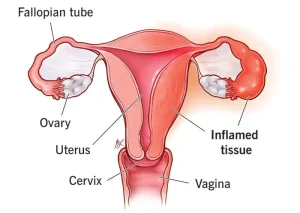
Diagnosis
There is no single test that can definitively diagnose pelvic inflammatory disease (PID). Healthcare providers use a combination of information from:
• Medical history. Your provider may ask about your sexual activity, history of sexually transmitted infections, and birth control methods.
• Signs and symptoms. Share all symptoms you are experiencing, even if they seem mild.
• Pelvic exam. The provider checks the pelvic area for tenderness or swelling and may take fluid samples from the vagina and cervix to test for infection, including gonorrhea and chlamydia.
• Blood and urine tests. These can check for pregnancy, HIV, other sexually transmitted infections, or markers of infection and inflammation such as white blood cell counts.
• Ultrasound. Sound waves create images of your reproductive organs to detect abnormalities.
Additional tests may be needed if the diagnosis is unclear:
• Laparoscopy. A thin, lighted instrument is inserted through a small abdominal incision to view pelvic organs directly.
• Endometrial biopsy. A thin tube collects a small sample of uterine tissue to check for infection or inflammation.
Treatment
Prompt treatment with medication can eliminate the infection causing PID, but it cannot reverse any scarring or damage already done to the reproductive tract. Treatment typically includes:
• Antibiotics. A combination of antibiotics is prescribed immediately, and may be adjusted based on lab results. Follow-up usually occurs within three days to ensure effectiveness. Complete the full course of medication even if symptoms improve.
• Partner treatment. Sexual partners should be examined and treated to prevent reinfection, even if they show no symptoms.
• Temporary abstinence. Avoid sexual activity until treatment is finished and symptoms resolve.
Hospitalization may be necessary for pregnant individuals, severe illness, suspected abscesses, or lack of response to oral medications. Intravenous antibiotics may be administered, followed by oral antibiotics.
Surgery is rarely required but may be needed if an abscess ruptures or threatens to rupture, or if antibiotic treatment is ineffective or the diagnosis is uncertain.
Advertisement
