
Overview
Diagnosis
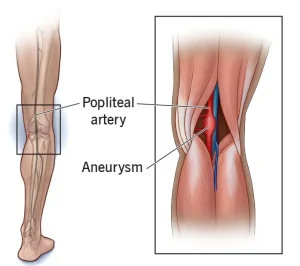
Diagnosis of a popliteal artery aneurysm typically begins with a physical exam. A healthcare professional checks the legs for swelling, tenderness, and changes in skin color or temperature. The area behind the knee is examined closely, as this is where the aneurysm forms. You may also be asked about your medical history and lifestyle habits, including whether you smoke, as smoking increases the risk of vascular disease.
Imaging tests are used to confirm the diagnosis and understand how well blood is flowing through the artery. Duplex ultrasound is often the first test because it is quick, painless, and provides clear information about blood flow behind and around the knee. More detailed imaging may involve CT angiography or MR angiography. These tests use contrast dye to highlight the arteries and provide precise images of the affected area.
Treatment
Treatment for a popliteal artery aneurysm depends on the size of the aneurysm, the symptoms present, and your overall health. Management may involve regular monitoring if the aneurysm is small and not causing symptoms. Follow-up appointments often include ultrasound testing to watch for changes.
Medicines such as aspirin or other blood thinners may be recommended to help prevent blood clots. Some medicines are given through a vein, and additional medications to manage blood pressure or cholesterol may be used if there are signs of heart disease.
Surgery is the most common treatment when symptoms are present or when the aneurysm measures 2 centimeters or larger. Open surgery repairs the damaged artery, while a less invasive option called endovascular repair may be considered in some cases. This procedure involves placing a stent inside the artery to support proper blood flow.
Advertisement
