
Overview
Diagnosis
Diagnosing post-vasectomy pain syndrome begins with a detailed physical exam in which a healthcare provider checks for tenderness, swelling and any signs of discomfort in the testicles and epididymis. The provider may also look for a small area of scar tissue at the vasectomy site, known as a sperm granuloma. It is essential to rule out other possible causes of testicular pain, so several tests may be recommended to identify infections, structural issues or nerve-related concerns.
Screening for sexually transmitted infections may be done using a swab to collect a sample from the urethra, which is then analyzed for infections such as chlamydia or gonorrhea. Blood and urine tests can help detect infection or other abnormalities that might explain ongoing pain. Imaging plays an important role as well. An ultrasound may be used to evaluate conditions such as testicular torsion, epididymal cysts, infections or hernias by producing real-time images of the scrotal structures. In some cases, an MRI scan may be recommended, especially if there is a history of hip or back issues, to see if nerve compression could be contributing to the symptoms. These evaluations help confirm the diagnosis and guide the treatment plan.
Treatment
Treatment for post-vasectomy pain syndrome depends on the severity and pattern of symptoms. Many men benefit from medications that help reduce swelling and discomfort. Anti-inflammatory drugs such as ibuprofen may ease pain, including pain related to ejaculation. If these medicines do not provide relief after several weeks, tricyclic antidepressants or anticonvulsants may be considered to address nerve-related pain, although their use for this condition has not been widely studied.
Supportive therapies can also play an important role. Wearing compression shorts or a jock strap may help reduce discomfort by supporting the scrotum. Applying ice or heat during flare-ups can also be soothing, and warm baths may help relax the area. Men who experience pelvic discomfort or pain with urination may benefit from pelvic floor physical therapy to learn techniques that reduce muscle tension. In some cases, a nerve block may be offered. This procedure uses numbing medicine to target the affected nerve, providing temporary relief, although symptoms often return once the numbing effect fades.
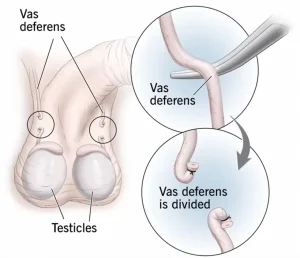
Surgical options are considered when other treatments do not provide lasting relief. Removing a sperm granuloma may help if pain is localized to that specific area. For men who experience short-term relief from a spermatic cord block, microdenervation of the spermatic cord may be helpful by separating nerves and veins that carry pain signals. Epididymectomy may be used if the pain is focused in the epididymis, especially when a cyst, granuloma or mass is present. Vasectomy reversal may relieve pressure-related pain and restore fertility, and for some men, it provides better relief than nerve-related procedures. As a final option, orchiectomy may be recommended, although even after the testicle is removed, some men may continue to experience phantom pain. Each treatment approach is tailored to the individual’s symptoms, goals and overall health.
Advertisement
