
Overview
Diagnosis
Diagnosing posterior cortical atrophy can be challenging because early symptoms often resemble other neurological or vision-related conditions. A healthcare professional typically begins with a detailed medical history and a neurological exam to understand how symptoms affect thinking, visual processing and daily functioning. Vision tests may be done to rule out eye diseases since many people first notice trouble reading, judging distances or recognizing objects. Cognitive assessments help evaluate memory, attention, visuospatial skills and problem-solving abilities.
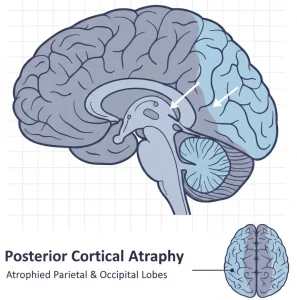
Imaging tests such as MRI or CT scans are commonly used to look for changes in the posterior areas of the brain that handle visual processing. These scans help rule out other causes of symptoms, such as strokes or tumors. Additional tests, including PET scans or cerebrospinal fluid studies, may be recommended to determine whether the changes are related to Alzheimer’s disease, the most common underlying cause of posterior cortical atrophy. Because the condition progresses gradually, diagnosis often involves monitoring symptoms over time to confirm the pattern of decline.
Treatment
There is no cure for posterior cortical atrophy, but treatment focuses on managing symptoms, supporting function and improving quality of life. Treatment plans are personalized and may include medications used for Alzheimer’s disease, such as cholinesterase inhibitors or memantine, to help with cognitive changes. Although these medications cannot stop the progression of the condition, they may help improve daily functioning or slow the worsening of symptoms.
Rehabilitation therapies are an important part of care. Occupational therapy can help people develop strategies to compensate for visual and spatial difficulties, such as using contrasting colors, organizing living spaces or simplifying tasks. Vision rehabilitation may also help by providing techniques to work around visual processing challenges. Speech and language therapy can assist with communication or cognitive strategies when needed.
Lifestyle adjustments can support safety and independence. This may include modifying the home environment, reducing clutter, improving lighting or using assistive devices for reading and navigation. Counseling and support groups can help individuals and families cope with the emotional impact of the diagnosis. As the condition progresses, ongoing medical follow-up helps adjust treatment strategies and ensure supportive care remains aligned with daily needs.
Advertisement
