
Overview
Diagnosis
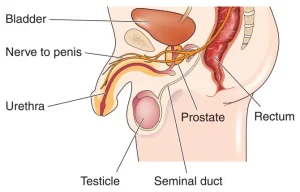
Several conditions can cause symptoms similar to prostatitis. Your healthcare professional may refer you to a urologist, a specialist in urinary and reproductive system conditions. Diagnosis typically involves a physical exam, review of symptoms, medical history, and diagnostic tests.
Tests for bacterial infections may include:
Digital rectal exam, where a gloved, oiled finger is inserted into the rectum to check for prostate inflammation.
Urine test to detect infection and identify the type of bacteria.
Blood test to look for signs of infection or other prostate issues.
Prostatic specimen test, which involves gently massaging the prostate during a rectal exam to release prostate fluid into the urethra. A urine sample collected afterward is tested for infection. This test is not done for acute bacterial prostatitis because it can spread bacteria into the blood.
Other tests may be recommended if infection is not detected:
Urodynamic tests to measure how well the bladder and urethra hold and release urine, helping locate urinary issues.
Imaging tests to detect abnormalities in the prostate or pelvic region that may be causing pain.
Treatment
Treatment depends on the type of prostatitis and your symptoms.
Treating infection
Acute or chronic bacterial prostatitis is treated with antibiotics. Acute cases may require intravenous antibiotics in a hospital for a short time.
Antibiotic courses typically last 4 to 6 weeks, sometimes longer. Completing the full course helps eliminate infection and reduce the risk of chronic prostatitis.
Treating urinary symptoms
Alpha-blockers relax the bladder neck and the muscle fibers at the junction of the bladder and prostate. These medicines can ease pain or difficulty while urinating.
Alpha-blockers are often used for chronic prostatitis or chronic pelvic pain syndrome and can also improve urinary symptoms of bacterial infections.
Treating pain
Pain management may involve prescription or over-the-counter medicines such as acetaminophen and ibuprofen to relieve discomfort.
Managing psychological symptoms
A mental healthcare professional may be recommended to help manage stress, depression, or anxiety linked to long-term pain.
Advertisement
