
Overview
Diagnosis
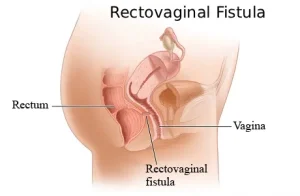
Diagnosis of a rectovaginal fistula often begins with a discussion of symptoms and a physical exam. During the exam, a healthcare provider checks the vagina, anus and perineum using a gloved hand to look for signs of a fistula, infection, tumor or abscess. A small tool may be inserted through the fistula opening to help locate the tunnel. If the fistula is not easily visible, a speculum may be used to see inside the vagina, and a proctoscope may be used to examine the anus and rectum. In rare cases, if cancer is suspected, a biopsy may be taken for laboratory analysis.
If a fistula is not found during the initial pelvic exam, imaging and diagnostic tests may be recommended. A CT scan of the abdomen and pelvis provides detailed images to help locate a fistula and identify its cause. An MRI can show soft tissues and reveal whether other pelvic organs are involved. If inflammatory bowel disease is suspected, a colonoscopy may be done to look inside the colon and collect tissue samples to check for conditions such as Crohn’s disease. When other tests do not confirm a fistula, an exam under anesthesia allows the surgeon to examine the area more thoroughly and plan for potential treatment.
These tests help confirm the diagnosis, identify underlying conditions and guide treatment decisions.
Treatment
Treatment for a rectovaginal fistula depends on the cause, size and location of the fistula, as well as the condition of surrounding tissues. Many providers recommend waiting several months before surgery to allow inflammation to settle and to see if the fistula closes on its own. In some cases, a draining seton made of silk or latex may be placed in the fistula to help drain infection and encourage healing.
Medicines may be used to manage infection or inflammation before surgery. Antibiotics may be prescribed if the area around the fistula is infected. Individuals with Crohn’s disease may also need antibiotics. Infliximab can reduce inflammation and help heal fistulas related to Crohn’s disease.
In most cases, surgery is needed to repair a rectovaginal fistula. Surgery is usually performed once surrounding tissues are free of infection or active inflammation. A gynecological surgeon, colorectal surgeon or both may perform the procedure. The goal of surgery is to remove the fistula tunnel and close the opening with healthy tissue.
Surgical approaches may include removing the fistula and repairing the surrounding tissues, using a tissue graft to create a flap from nearby healthy tissue or repairing damaged anal sphincter muscles. In complex or recurrent cases, a temporary colostomy may be recommended to divert stool and allow the area to heal. This procedure may be reversed after several months if the repair has healed well.
These treatment options help reduce symptoms, restore function and support long-term healing.
Advertisement
