
Overview
Diagnosis
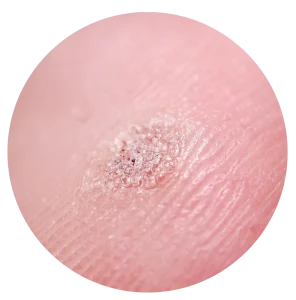
Seborrheic keratosis is usually diagnosed by a visual examination of the affected skin. If the diagnosis is uncertain, your doctor may recommend removing the growth and examining it under a microscope to confirm.
Treatment
Seborrheic keratosis typically does not go away on its own, and treatment is not always necessary. You may choose to have it removed if it becomes irritated, bleeds, or for cosmetic reasons.
Removal methods include:
Freezing the growth
-
Cryotherapy uses liquid nitrogen to freeze the lesion.
-
This method may be less effective on raised or thicker growths and carries a risk of permanent pigment loss, particularly in darker skin tones.
Scraping or shaving
-
Curettage or shaving involves numbing the area and removing the growth with a scalpel.
-
Often combined with cryotherapy for thinner or flatter lesions.
Burning with an electric current
-
Electrocautery destroys the growth after numbing the area.
-
Can be used alone or in combination with scraping, especially for thicker growths.
Discuss the risks and benefits of each treatment method with your healthcare provider. Treatments may cause temporary or permanent skin discoloration or scarring, and new seborrheic keratoses may appear elsewhere on the body.
Advertisement
