
Overview
Diagnosis
Shigella infection is diagnosed through a combination of a physical exam and laboratory testing. Because many conditions can cause diarrhea or bloody diarrhea, a stool sample is collected either by you or your healthcare professional. The sample is then examined in a lab for the presence of shigella bacteria or toxins produced by the bacteria.
Treatment
Treatment for shigella infection depends on the severity of the illness. Most mild cases improve within seven days and primarily require replacing fluids lost from diarrhea.
-
Over-the-counter medicines
Consult your healthcare professional before taking any nonprescription diarrhea medicine. Some medicines can worsen certain conditions. If shigella infection is confirmed, bismuth subsalicylate (Pepto-Bismol, Kaopectate) may reduce stool frequency and shorten illness duration. This is not recommended for children, pregnant or breastfeeding individuals, or anyone allergic to aspirin. Avoid loperamide (Imodium A-D) and diphenoxylate-atropine (Lomotil), as they can interfere with the body’s ability to clear the infection. -
Antibiotics
For severe infections, infants, older adults, people with weakened immune systems, or those at high risk of spreading the disease, antibiotics may be prescribed to help eliminate the bacteria and shorten illness duration. Some shigella strains are resistant to antibiotics, so they are used selectively. Complete the full course as prescribed even if symptoms improve. -
Fluid and salt replacement
Adults in good health may only need to drink water to prevent dehydration. Children can benefit from oral rehydration solutions such as Pedialyte, available in drugstores. In cases of severe dehydration, intravenous hydration in a hospital setting may be necessary to quickly restore fluids and essential salts.
Preparing for your appointment
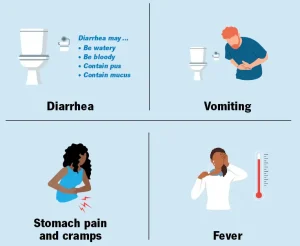
If symptoms are serious or accompanied by high fever, contact your healthcare professional promptly. Before your appointment, consider noting:
-
The type and onset of symptoms
-
Recent exposure to someone with shigella infection
-
Presence and level of fever
During the exam, your healthcare professional may press on your stomach to check for tenderness and collect a stool sample for laboratory testing.
Request an appointment
Advertisement
