
Overview
Diagnosis
To diagnose short bowel syndrome, a healthcare professional may recommend blood or stool tests to measure nutrient levels. Imaging procedures may also be used to evaluate the intestines and detect blockages or changes. These tests can include:
-
X-ray with contrast material (barium X-ray)
-
CT scan
-
MRI
-
CT or MRI enterography
Treatment
Treatment for short bowel syndrome depends on which parts of the small intestine are affected, whether the colon is intact, and individual preferences. Treatment options may include:
-
Nutritional therapy
People with short bowel syndrome may need a special diet and nutritional supplements. Some may require parenteral nutrition (through a vein) or enteral nutrition (through a feeding tube) to prevent malnutrition. -
Medicines
Medications may help control stomach acid, reduce diarrhea, or improve intestinal absorption after surgery. -
Surgery
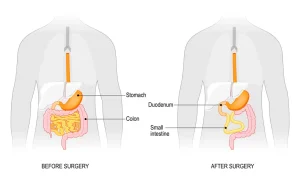
Surgical options include procedures to slow nutrient passage through the intestine, lengthen the intestine through autologous gastrointestinal reconstruction, or, in some cases, small bowel transplantation.
Request an appointment
Advertisement
