
Overview
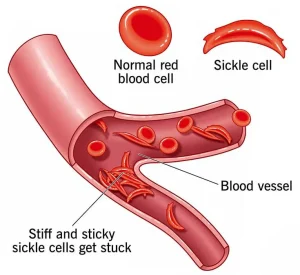
Diagnosis
Sickle cell anemia is diagnosed with a blood test that checks for the sickle form of hemoglobin. In the United States, this test is part of routine newborn screening. Older children and adults can also be tested.
-
Blood sample collection: Adults typically provide a blood sample from a vein in the arm, while babies and young children may have blood taken from a finger or heel. The sample is sent to a laboratory for screening.
-
Additional tests: If sickle cell anemia is confirmed, healthcare professionals may recommend further testing to monitor for complications.
-
Genetic counseling: Individuals carrying the sickle cell gene are often referred to a genetic counselor.
-
Assessing stroke risk: Special ultrasound tests can measure blood flow to the brain in children as young as 2 years old. Regular blood transfusions may reduce stroke risk.
-
Prenatal testing: Sickle cell disease can be detected before birth by sampling amniotic fluid if there is a family history of sickle cell anemia or trait.
Treatment
Treatment for sickle cell anemia focuses on preventing pain episodes, relieving symptoms, and avoiding complications. Approaches may include medicines, blood transfusions, and advanced therapies.
Medicines
-
Hydroxyurea (Droxia, Hydrea): Reduces frequency of pain crises and may decrease the need for transfusions and hospitalizations. Not recommended during pregnancy.
-
L-glutamine oral powder (Endari): Helps reduce pain crisis frequency.
-
Crizanlizumab (Adakveo): Injection for adults and children over 16 to lower pain crisis frequency; possible side effects include nausea, joint or back pain, and fever.
-
Pain-relieving medicines: Narcotics may be prescribed during pain crises.
Preventing infections
-
Penicillin: Given to children from 2 months to 5 years, or longer, to prevent serious infections. Adults with prior infections or spleen removal may need lifelong penicillin.
-
Vaccinations: Critical for preventing infections such as pneumonia, meningitis, hepatitis B, and influenza. Extra precautions during global health threats, like COVID-19, are recommended.
Surgical and other procedures
-
Blood transfusions: Red blood cells from donors are administered to reduce complications like stroke. Risks include immune reactions, infections, and iron buildup, which may require treatment.
-
Stem cell transplant: Replaces diseased bone marrow with healthy marrow from a matched donor, potentially curing sickle cell anemia. Recommended mainly for children with severe disease; high-risk procedure.
-
Stem cell gene addition therapy: Patient’s own stem cells are modified to produce healthy hemoglobin and reintroduced through autologous transplant.
-
Gene editing therapy: FDA-approved for people 12 and older; modifies the DNA in stem cells to correct the sickle gene, potentially eliminating symptoms. Long-term effects are still under study.
Ongoing clinical trials continue to explore stem cell transplantation and gene therapies in adults and children with sickle cell disease.
Advertisement
