
Overview
Diagnosis
To diagnose sleep terrors, a healthcare professional may begin by reviewing your medical history. This can include a discussion of any existing health conditions and a physical exam to look for issues that could be contributing to the episodes. You also may be asked about any family history of sleep-related concerns.
Diagnosis often relies heavily on your description of the events. Your healthcare professional may ask questions about how frequently the episodes occur, what they look like and whether a bed partner has noticed unusual behaviors. A video recording of an episode, if available, can also provide helpful information.
In some situations, an overnight sleep study may be recommended. During this test, sensors placed on your body record brain waves, oxygen levels, heart rate, breathing patterns, and eye and leg movements. You also may be videotaped to capture behaviors during different stages of sleep.
More information: Polysomnography (sleep study)
Treatment
Treatment generally isn’t necessary when sleep terrors happen infrequently, as many children outgrow the condition. When episodes become more frequent, pose safety risks, interfere with restful sleep or cause embarrassment, treatment may be advised.
Care typically focuses on safety measures and addressing potential causes or triggers. Treatment options may include:
• Treating any underlying conditions. If sleep terrors are related to another medical or mental health condition, or to another sleep disorder such as obstructive sleep apnea, managing the underlying issue often helps reduce episodes.
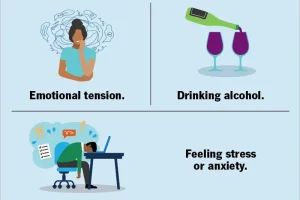
• Addressing stress. When stress or anxiety appears to play a role, a healthcare professional may recommend working with a sleep specialist. Cognitive behavioral therapy, relaxation techniques or hypnosis can be helpful.
• Anticipatory awakening. This approach involves waking the person about 15 minutes before a typical episode time and keeping them awake for a few minutes before allowing them to fall asleep again.
• Medicine. Medication is rarely needed, especially for children. In select cases, a healthcare professional may prescribe medicines that support sleep, such as benzodiazepines or certain antidepressants.
Request an appointment
Advertisement
