
Overview
Diagnosis
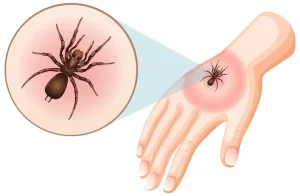
Spider bites are often mistaken for other skin problems that cause redness, pain, or swelling. Many sores thought to be spider bites are actually caused by other insects such as ants, fleas, mites, mosquitoes, or biting flies. Skin infections, burns, and certain skin conditions can also look similar to spider bites.
A doctor usually diagnoses a spider bite based on your medical history and your signs and symptoms. The evaluation may include asking whether you saw a spider bite you, whether the spider can be identified, and ruling out other possible causes of the skin changes.
Black widow identification
Certain features can help identify a black widow spider:
-
Shiny black body with long legs
-
Red hourglass-shaped marking on the underside of the body
-
Total body length, including legs, of about 1 inch or 2.5 centimeters
The black widow spider is best known for the red hourglass marking on its belly.
Brown recluse identification
Features that may help identify a brown recluse spider include:
-
Golden or dark brown body with long legs
-
Dark violin-shaped marking on the upper body near the leg attachment area
-
Six eyes arranged in pairs, rather than the usual eight eyes seen in most spiders
-
Central body measuring about 1/2 inch or 1.2 centimeters across
The brown recluse spider is recognized by the violin-shaped marking on its upper body.
Treatment
Most spider bites heal on their own within about a week. Bites from brown recluse spiders often take longer to heal and may sometimes leave a scar.
Initial treatment for spider bites usually involves basic first-aid measures:
-
Clean the affected area with mild soap and water, and apply an antibiotic ointment several times a day to help prevent infection
-
Apply a cool compress to the bite for 15 minutes each hour to reduce pain and swelling
-
Elevate the affected area when possible
-
Take an over-the-counter pain reliever if needed
-
Use an antihistamine if itching occurs
-
Monitor the bite for signs of infection or worsening symptoms
If the bite becomes infected or develops into an open wound, antibiotics may be needed. For more severe symptoms such as intense pain or muscle spasms, a doctor may prescribe pain medication, muscle relaxants, or both. A tetanus shot may also be recommended.
Black widow antivenom
In cases where a black widow spider bite causes severe pain or life-threatening symptoms, antivenom may be recommended. Antivenom is usually given through a vein and often relieves symptoms within about 30 minutes. Because it can cause serious allergic reactions, it is used carefully and only when clearly needed.
Advertisement
