
Overview
Diagnosis
Sudden infant death syndrome (SIDS) is the sudden, unexplained death of an infant younger than 1 year old, usually during sleep. There is no single test to diagnose SIDS. Diagnosis is made after a thorough investigation that rules out other possible causes of death.
Investigations typically include:
-
Review of the infant’s medical history and prenatal history.
-
Examination of the scene where the infant was found, including sleep environment.
-
Autopsy to look for medical conditions or injuries that could explain the death.
-
Review of family history to check for genetic or inherited conditions.
-
Toxicology and metabolic tests to rule out infections, metabolic disorders, or poisoning.
Treatment
There is no treatment for SIDS, as it occurs suddenly and unexpectedly. The focus is on prevention and reducing risk factors to protect other infants.
Preventive measures include:
-
Placing infants on their backs to sleep, on a firm, flat surface.
-
Keeping soft objects, toys, and loose bedding out of the crib.
-
Avoiding overheating by dressing infants appropriately and keeping the room at a comfortable temperature.
-
Encouraging room-sharing without bed-sharing during the first 6–12 months.
-
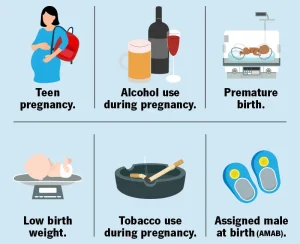
Avoiding exposure to tobacco smoke, alcohol, and illicit drugs during pregnancy and after birth.
-
Offering a pacifier at naptime and bedtime, which may reduce the risk of SIDS.
-
Ensuring regular prenatal care and vaccinations.
Education on safe sleep practices is essential for caregivers to reduce the risk of SIDS.
Request an appointment
Advertisement
