
Overview
Diagnosis
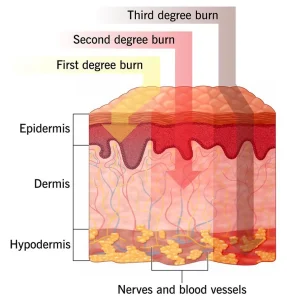
Sunburn is usually diagnosed by a healthcare professional based on the appearance of the skin and a review of recent sun exposure. Your provider may ask about:
-
Duration and intensity of sun exposure.
-
Use of sunscreen or protective clothing.
-
Previous history of sunburn or skin conditions.
In most cases, no additional tests are needed, as the redness, pain, and sometimes blistering are distinctive signs of sunburn.
Treatment
Treatment for sunburn focuses on relieving pain, reducing inflammation, and promoting healing.
Self-care measures
-
Cool compresses. Apply a clean, damp cloth to the affected skin to reduce heat and discomfort.
-
Aloe vera or moisturizing lotions. These can soothe and prevent the skin from drying out.
-
Hydration. Drink plenty of water to prevent dehydration caused by fluid loss through the skin.
-
Avoid further sun exposure until the skin heals.
Medications
-
Over-the-counter pain relievers, such as acetaminophen or ibuprofen, can help reduce pain and inflammation.
-
Topical corticosteroid creams may be used for severe inflammation, but only under the guidance of a healthcare professional.
Severe cases
-
Blistering or extensive sunburn may require medical attention to prevent infection and manage pain.
-
In rare cases, hospitalization may be needed if sunburn is accompanied by dehydration, fever, or other systemic symptoms.
Preventive measures
-
Apply broad-spectrum sunscreen with SPF 30 or higher.
-
Wear protective clothing, hats, and sunglasses.
-
Avoid sun exposure during peak hours, typically 10 a.m. to 4 p.m.
Advertisement
