
Overview
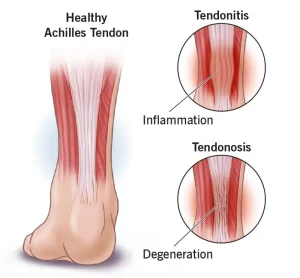
Diagnosis
Tendinitis is most often diagnosed with a physical exam. A healthcare professional assesses the affected area for pain, tenderness and range of motion. Imaging tests such as X-rays may be ordered to rule out other causes of pain, including fractures or arthritis.
Treatment
Treatment focuses on reducing pain and irritation while supporting the healing process. Many people improve with self-care strategies such as rest, ice and over-the-counter pain relief. However, full recovery may take several months.
Medications commonly used for tendinitis include:
• Pain relievers. Aspirin, ibuprofen, naproxen sodium or acetaminophen may ease discomfort. Creams that contain pain-relief medication can also be applied to the skin to avoid some side effects of oral medicines.
• Steroids. A corticosteroid injection around the tendon may help reduce pain, but these injections are not recommended for tendinitis that lasts longer than three months. Repeated injections can weaken the tendon and increase the risk of a tear.
• Platelet-rich plasma. This therapy uses a concentrated portion of your own blood that contains growth factors. The solution is injected into the irritated tendon area. Research continues, but it shows promise for chronic tendon conditions.
Physical therapy is an important part of recovery. Strengthening exercises help support the tendon and surrounding muscles. Eccentric exercises, which work the muscle while it lengthens, are particularly effective for many long-term tendon problems.
Surgical and other procedures may be considered if symptoms do not improve with physical therapy:
• Dry needling. Guided by ultrasound, a fine needle is used to create small punctures in the tendon to stimulate healing.
• Surgery. Severe tendon injuries or cases where the tendon has detached from the bone may require surgical repair.
Advertisement
