
Overview
Diagnosis
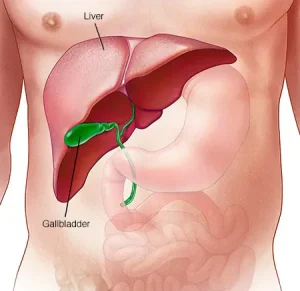
To diagnose toxic hepatitis, a healthcare professional takes a detailed medical history and performs a physical exam. Bring all medications in their original containers to your appointment, and inform your healthcare professional if you work with industrial chemicals or have possible exposure to pesticides, herbicides, or other environmental toxins.
Tests that may be used include:
• Blood tests to check liver enzyme levels and overall liver function
• Imaging tests such as ultrasound, CT scan, or MRI to visualize the liver
• Liver biopsy, where a needle removes a small tissue sample from the liver to be examined under a microscope. This can help confirm toxic hepatitis and rule out other causes
Treatment
Treatment depends on the cause of liver damage. Often, stopping exposure to the toxic agent reduces symptoms.
Treatment options may include:
• Supportive care in a hospital for severe symptoms, including intravenous fluids and medication to relieve nausea and vomiting, while monitoring liver function
• Medication to reverse liver damage caused by acetaminophen overdose, specifically N-acetylcysteine. Early administration, ideally within 16 hours, offers the best chance of limiting liver damage
• Emergency care for overdose of other toxic medicines, which may include treatments to remove the drug from the body or reduce its toxic effects
• Liver transplant for severe liver damage. The diseased liver is replaced with a healthy liver from a donor. Most donor livers come from deceased individuals, though living donors can sometimes donate a portion of their liver
Supportive care, early treatment, and prompt medical attention are crucial for the best outcomes in toxic hepatitis.
Advertisement
