
Overview
Diagnosis
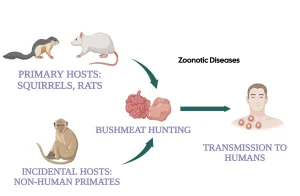
Zoonotic diseases are infections that spread from animals to humans through direct contact, bites, insect vectors, or contaminated food and water. Because zoonotic diseases can be caused by bacteria, viruses, parasites, or fungi, diagnosis depends on the specific pathogen and the person’s exposure history.
A detailed medical evaluation usually includes:
-
Medical and exposure history to determine recent contact with animals, insect bites, or consumption of unpasteurized dairy or undercooked meat.
-
Physical examination to identify symptoms such as fever, rash, muscle pain, or swollen lymph nodes.
-
Laboratory tests such as blood tests, stool samples, or tissue cultures to identify the infectious organism.
-
Serologic tests to detect antibodies that show recent or past infection.
-
Molecular tests (PCR) to detect genetic material of the pathogen in blood or tissue samples.
-
Imaging studies like X-rays or ultrasound, when internal organs are affected, such as in brucellosis or echinococcosis.
Because many zoonotic diseases share common symptoms like fever and fatigue, doctors often rely on specialized lab tests and patient history for an accurate diagnosis.
Treatment
Treatment for zoonotic diseases depends on the type of pathogen and severity of the infection. Early diagnosis and appropriate therapy are important to prevent complications and transmission.
Common treatment approaches include:
-
Antibiotics for bacterial infections such as leptospirosis, anthrax, or brucellosis.
-
Antiviral medications for viral zoonoses like rabies or severe cases of avian influenza.
-
Antiparasitic drugs for infections such as toxoplasmosis or malaria.
-
Antifungal therapy for fungal zoonoses like histoplasmosis or ringworm.
-
Supportive care including rest, fluids, and pain relief for mild infections or viral illnesses where specific drugs are unavailable.
-
Vaccination and immunoglobulin therapy for prevention or post-exposure protection in diseases like rabies.
Prevention
Prevention of zoonotic diseases focuses on breaking the chain of transmission between animals and humans. Effective measures include:
-
Practicing good hygiene after handling animals or cleaning pet areas.
-
Using protective clothing and gloves when working with livestock or wildlife.
-
Cooking meat thoroughly and avoiding unpasteurized dairy products.
-
Vaccinating pets and livestock against common zoonotic diseases.
-
Controlling insect vectors like mosquitoes and ticks through repellents and environmental management.
-
Educating communities about safe animal handling and food safety practices.
Public health surveillance and collaboration between veterinary and medical professionals are essential for controlling outbreaks.
Outlook
Most zoonotic diseases are preventable and treatable with early detection and proper care. However, some—like rabies or Ebola—can be life-threatening without prompt medical intervention.
Maintaining awareness, improving sanitation, and strengthening the “One Health” approach—linking human, animal, and environmental health—are key to reducing the global burden of zoonotic diseases.
Advertisement
