
Overview
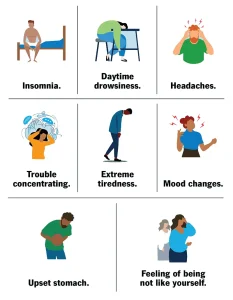
Jet lag disorder is a temporary sleep condition that occurs when rapid travel across multiple time zones disrupts the body’s internal clock, also known as the circadian rhythm. This misalignment between the internal clock and the local time at the destination affects sleep, alertness, digestion, and overall well-being. Jet lag disorder is more likely when traveling long distances by air, especially across three or more time zones.
Symptoms
Symptoms of jet lag disorder vary in severity and duration depending on the number of time zones crossed and individual sensitivity:
-
Difficulty falling asleep or staying asleep
-
Daytime sleepiness or fatigue
-
Reduced alertness and concentration
-
Headaches
-
Digestive problems such as indigestion or constipation
-
Irritability or mood changes
-
General feeling of being unwell
Symptoms usually improve as the body gradually adjusts to the new time zone.
Causes
Jet lag disorder is caused by disruption of the body’s circadian rhythm, which regulates sleep-wake cycles, hormone release, and other daily functions. When travel occurs faster than the body can adapt to a new light-dark schedule, the internal clock becomes out of sync with local time. Eastward travel often causes more severe symptoms than westward travel due to the need to shorten the natural day.
Risk Factors
Several factors can increase the likelihood of experiencing jet lag disorder:
-
Crossing multiple time zones in a short period
-
Eastward travel
-
Frequent long-distance travel
-
Irregular sleep schedules before travel
-
Older age
-
Travel-related stress or dehydration
Individual tolerance to circadian disruption varies widely.
Complications
Jet lag disorder is usually temporary, but complications may occur:
-
Impaired performance and decision-making
-
Increased risk of accidents or errors
-
Worsening of existing sleep disorders
-
Exacerbation of chronic medical conditions
-
Reduced enjoyment or productivity during travel
Most complications resolve as normal sleep patterns return.
Prevention
Jet lag disorder can often be reduced or prevented with practical strategies:
-
Gradually adjusting sleep schedules before travel
-
Staying well hydrated and avoiding excessive caffeine or alcohol
-
Getting exposure to natural daylight at the destination
-
Sleeping and eating according to local time as soon as possible
-
Taking short naps if needed without disrupting nighttime sleep
Proper planning and healthy sleep habits help the body adapt more quickly to time zone changes.
Request an appointment
Advertisement
