
Overview
Diagnosis
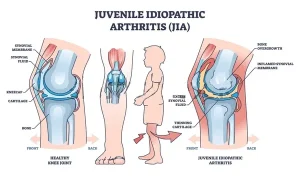
Diagnosing juvenile idiopathic arthritis (JIA) can be challenging because joint pain in children can result from many conditions. There is no single test that confirms JIA, but several tests help rule out other disorders with similar symptoms.
Blood tests commonly used include:
-
Erythrocyte sedimentation rate (ESR): Measures how quickly red blood cells settle in a blood sample. A higher rate can indicate inflammation.
-
C-reactive protein (CRP): Detects inflammation levels in the body and complements the ESR test.
-
Antinuclear antibody (ANA): Indicates the presence of immune system proteins often found in autoimmune diseases and can signal a higher risk of eye inflammation.
-
Rheumatoid factor (RF): Sometimes found in children with JIA and may suggest a higher risk of joint damage.
-
Cyclic citrullinated peptide (CCP): Another antibody that can indicate a greater likelihood of joint damage.
In many children with JIA, blood tests may show no major abnormalities.
Imaging scans such as X-rays or magnetic resonance imaging (MRI) can be used to rule out other causes like fractures, infections, tumors, or birth defects. They are also helpful for monitoring bone growth and detecting joint damage over time.
Treatment
The goal of treatment for juvenile idiopathic arthritis is to help the child lead a normal physical and social life. Treatment aims to relieve pain and swelling, maintain strength and flexibility, and prevent long-term complications.
Medications often used include:
-
Nonsteroidal anti-inflammatory drugs (NSAIDs): Medicines like ibuprofen or naproxen sodium help reduce pain and swelling. Possible side effects include stomach irritation and, rarely, liver or kidney problems.
-
Disease-modifying antirheumatic drugs (DMARDs): Prescribed when NSAIDs are insufficient. These drugs, such as methotrexate, help slow disease progression. Side effects can include nausea, low blood counts, liver issues, and mild infection risk.
-
Biologic agents: Newer medications that target specific immune responses. TNF blockers like etanercept, adalimumab, golimumab, and infliximab help reduce inflammation and prevent joint damage. Other biologics such as abatacept, rituximab, anakinra, and tocilizumab work differently to suppress the immune system. All biologics can increase infection risk.
-
Corticosteroids: Short-term use of drugs like prednisone can control inflammation until other medications take effect or when inflammation affects areas outside the joints, such as the heart lining. Prolonged use can affect growth and immunity, so they are prescribed cautiously.
Therapies also play a key role:
-
Working with a physical or occupational therapist helps children maintain flexibility, muscle strength, and range of motion.
-
Therapists may recommend joint supports or splints to protect joints and ensure proper positioning.
-
A tailored exercise plan can support overall mobility and strength.
In severe cases, surgery may be necessary to improve joint function or correct deformities.
This balanced approach of medication, therapy, and, when needed, surgery helps manage juvenile idiopathic arthritis effectively and supports long-term joint health.
Advertisement
