
Overview
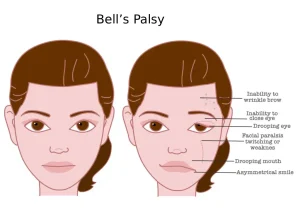
Bell’s palsy is a condition that causes sudden weakness or paralysis of the muscles on one side of the face. It occurs due to inflammation or compression of the facial nerve, which controls facial movements. The condition often develops rapidly, sometimes overnight, and can be frightening, though it is usually temporary.
Bell’s palsy can affect people of all ages. Most individuals begin to recover within a few weeks, and complete recovery is common with proper care.
Symptoms
Symptoms of Bell’s palsy usually appear suddenly and affect one side of the face.
Common symptoms include:
-
Facial drooping on one side
-
Inability to close one eye
-
Drooling from the corner of the mouth
-
Difficulty smiling or making facial expressions
-
Pain or discomfort around the jaw or behind the ear
-
Altered sense of taste
-
Increased sensitivity to sound on the affected side
-
Dry eye or excessive tearing
Symptoms may worsen over 48 to 72 hours before stabilizing.
Causes
The exact cause of Bell’s palsy is not fully understood, but it is believed to be linked to viral infections that cause inflammation of the facial nerve.
Possible causes include:
-
Reactivation of viruses such as herpes simplex
-
Upper respiratory infections
-
Immune system response causing nerve swelling
-
Reduced blood supply to the facial nerve
Bell’s palsy is not contagious and is different from facial paralysis caused by stroke or injury.
Risk factors
Certain factors increase the risk of developing Bell’s palsy.
Risk factors include:
-
Pregnancy, especially during the third trimester
-
Diabetes
-
Recent viral illness
-
Upper respiratory infections
-
Family history of Bell’s palsy
The condition can occur in otherwise healthy individuals.
Complications
Most people recover fully, but some may experience lingering effects.
Possible complications include:
-
Incomplete recovery of facial movement
-
Muscle contractures or involuntary facial movements
-
Chronic dry eye leading to irritation or damage
-
Facial muscle weakness or stiffness
-
Emotional distress due to facial appearance changes
Early treatment improves the chances of complete recovery.
Prevention
There is no guaranteed way to prevent Bell’s palsy, but general health measures may reduce risk.
Preventive measures include:
-
Managing chronic conditions such as diabetes
-
Practicing good hygiene to reduce viral infections
-
Maintaining a strong immune system through healthy lifestyle habits
-
Seeking medical care promptly when facial weakness occurs
Early diagnosis and treatment are important for better outcomes in Bell’s palsy.
Advertisement
