
Overview
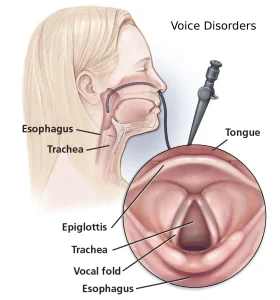
Voice disorders are conditions that affect the pitch, volume, tone, or quality of a person’s voice. They occur when the vocal cords, the structures in the larynx responsible for producing sound, do not function properly. Voice disorders can affect anyone, from children to adults, and may be temporary or chronic.
These disorders can impact communication, social interaction, and professional performance, particularly in individuals who rely heavily on their voice, such as singers, teachers, or public speakers.
Symptoms
Symptoms of voice disorders can vary depending on the underlying cause but commonly include:
-
Hoarseness or raspy voice
-
Weak or breathy voice
-
Sudden voice loss
-
Vocal fatigue or strain
-
Pain or discomfort when speaking
-
Changes in pitch or vocal range
-
Frequent throat clearing or coughing
-
Difficulty projecting the voice
Symptoms may worsen with prolonged speaking or singing.
Causes
Voice disorders can result from structural, functional, or neurological problems affecting the vocal cords or surrounding structures. Common causes include:
-
Vocal cord nodules, polyps, or cysts
-
Laryngitis (inflammation of the vocal cords)
-
Reflux of stomach acid into the throat (laryngopharyngeal reflux)
-
Neurological disorders, such as vocal cord paralysis or Parkinson’s disease
-
Overuse or misuse of the voice, including shouting or excessive speaking
-
Trauma or injury to the vocal cords
-
Allergies or respiratory infections
Risk Factors
Factors that increase the likelihood of developing a voice disorder include:
-
Frequent or prolonged voice use (singers, teachers, public speakers)
-
Smoking or exposure to secondhand smoke
-
Chronic acid reflux or GERD
-
Respiratory infections
-
Neurological conditions affecting the vocal cords
-
Age-related changes in voice
-
Poor vocal technique or improper voice care
Complications
Untreated voice disorders can lead to several complications:
-
Persistent hoarseness or vocal strain
-
Chronic throat pain or discomfort
-
Difficulty communicating effectively
-
Emotional and psychological stress
-
Reduced professional performance in voice-dependent occupations
-
Risk of developing vocal cord lesions from continued strain
Prevention
Preventive measures and good vocal care can reduce the risk of voice disorders:
-
Avoiding excessive shouting, screaming, or whispering
-
Practicing proper vocal techniques and voice training
-
Staying hydrated and avoiding excessive caffeine or alcohol
-
Managing acid reflux and other underlying health conditions
-
Quitting smoking and avoiding irritants
-
Resting the voice when fatigued or strained
-
Seeking early medical attention for persistent voice changes
Early intervention with voice therapy, medical treatment, or surgical procedures can improve outcomes and help maintain healthy vocal function.
Request an appointment
Advertisement
