
Overview
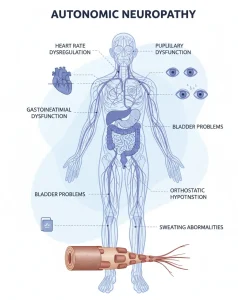
Autonomic neuropathy occurs when the nerves that control automatic body functions are damaged. This can affect blood pressure, temperature regulation, digestion, bladder function, and sexual function.
Nerve damage disrupts communication between the brain and organs within the autonomic nervous system, including the heart, blood vessels, and sweat glands. Diabetes is the most common cause, but other health conditions, infections, or certain medications can also lead to autonomic neuropathy. Symptoms and treatment depend on which nerves are affected.
Symptoms
Symptoms depend on the nerves affected and may include:
-
Dizziness or fainting when standing due to sudden drops in blood pressure
-
Urinary problems, such as difficulty starting urination, incomplete bladder emptying, loss of bladder control, and increased risk of urinary tract infections
-
Sexual difficulties, including erectile dysfunction in men and vaginal dryness, low libido, or difficulty reaching orgasm in women
-
Digestive issues, including early fullness, loss of appetite, diarrhea, constipation, bloating, nausea, vomiting, difficulty swallowing, and heartburn
-
Inability to recognize low blood sugar (hypoglycemia) due to absent warning signals
-
Abnormal sweating, either too much or too little, affecting temperature regulation
-
Sluggish pupil reaction, making it harder to adjust from light to dark
-
Exercise intolerance due to inadequate heart rate response during activity
When to see a doctor
Seek medical care promptly if you notice symptoms of autonomic neuropathy, particularly if you have poorly controlled diabetes.
For type 2 diabetes, annual screening for autonomic neuropathy is recommended starting at diagnosis. For type 1 diabetes, annual screening should begin five years after diagnosis.
Causes
Autonomic neuropathy can result from various health conditions, treatments, infections, or inherited disorders. Common causes include:
-
Diabetes, especially when poorly controlled
-
Amyloidosis, an abnormal protein buildup affecting organs and nerves
-
Autoimmune diseases such as Sjogren syndrome, lupus, rheumatoid arthritis, celiac disease, and Guillain-Barre syndrome
-
Paraneoplastic syndrome from certain cancers
-
Medications, including some chemotherapy drugs
-
Viral and bacterial infections, including HIV, botulism, and Lyme disease
-
Certain inherited disorders
Risk factors
Factors that may increase the risk of autonomic neuropathy include:
-
Diabetes, particularly when blood sugar is poorly controlled
-
Other medical conditions, including amyloidosis, porphyria, hypothyroidism, and cancer or its treatments
Complications
Autonomic neuropathy can lead to complications related to affected systems, such as unstable blood pressure, urinary tract infections, digestive problems, sexual dysfunction, and exercise intolerance.
Prevention
Inherited conditions that predispose to autonomic neuropathy cannot be prevented. However, the onset and progression of symptoms can be slowed by managing overall health and underlying conditions:
-
Control blood sugar if diabetic
-
Avoid alcohol and smoking
-
Treat autoimmune diseases appropriately
-
Manage high blood pressure
-
Maintain a healthy weight
-
Exercise regularly
Advertisement
