
Overview
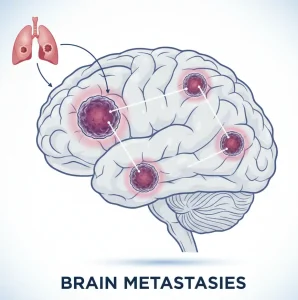
Brain metastases occur when cancer cells spread to the brain from another part of the body. They are the most common type of brain tumor in adults and usually develop from cancers such as lung, breast, melanoma, kidney, or colorectal cancer. Brain metastases can affect brain function by increasing pressure inside the skull or damaging surrounding brain tissue. Early diagnosis and treatment can help relieve symptoms and improve quality of life.
Symptoms
Symptoms of brain metastases vary depending on the size, number, and location of the tumors. Symptoms may develop gradually or appear suddenly.
• Persistent or worsening headaches
• Seizures, especially in people with no prior history
• Nausea or vomiting, often worse in the morning
• Weakness or numbness on one side of the body
• Difficulty speaking or understanding language
• Vision problems such as blurred or double vision
• Balance or coordination difficulties
• Memory problems or personality changes
Causes
Brain metastases are caused by the spread of cancer cells from a primary tumor elsewhere in the body.
• Cancer cells traveling through the bloodstream to the brain
• Spread through the lymphatic system
• Advanced or aggressive primary cancers
• Delayed detection or treatment of the original cancer
Risk factors
Certain factors increase the likelihood of developing brain metastases.
• History of cancer, especially lung, breast, melanoma, kidney, or colorectal cancer
• Advanced-stage cancer
• Aggressive or fast-growing tumors
• Poor response to initial cancer treatment
• Longer survival with primary cancer, allowing time for spread
Complications
Brain metastases can lead to serious neurological and systemic complications.
• Increased pressure inside the skull
• Brain swelling causing worsening neurological symptoms
• Permanent neurological deficits such as paralysis or speech problems
• Recurrent seizures
• Reduced ability to perform daily activities
• Life-threatening complications in advanced cases
Prevention
There is no guaranteed way to prevent brain metastases, but certain measures may reduce risk or aid early detection.
• Early diagnosis and effective treatment of primary cancers
• Regular follow-up and imaging for high-risk cancer patients
• Prompt evaluation of new neurological symptoms
• Adhering to recommended cancer treatment plans
• Maintaining overall health to support cancer therapy and recovery
Advertisement
