
Overview
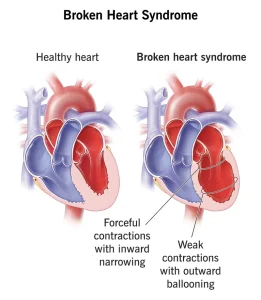
Broken heart syndrome, also known as stress-induced cardiomyopathy or takotsubo cardiomyopathy, is a temporary heart condition that occurs in response to intense emotional or physical stress. It causes a sudden weakening of part of the heart muscle, leading to symptoms that closely resemble a heart attack. Unlike a heart attack, broken heart syndrome is not caused by blocked coronary arteries and is usually reversible with appropriate care.
Symptoms
Symptoms of broken heart syndrome often appear suddenly and can be severe. Common symptoms include:
-
Chest pain similar to that of a heart attack
-
Shortness of breath
-
Irregular heartbeats or palpitations
-
Dizziness or fainting
-
Low blood pressure in severe cases
Because these symptoms can mimic a heart attack, immediate medical evaluation is essential.
Causes
The exact cause of broken heart syndrome is not fully understood, but it is often triggered by extreme stress. Possible causes include:
-
Sudden emotional stress such as grief, fear, anger, or shock
-
Physical stress, including major surgery, serious illness, or severe pain
-
Sudden release of stress hormones that temporarily affect heart function
-
Neurological conditions or severe infections in some cases
Risk factors
Certain factors may increase the risk of developing broken heart syndrome:
-
Severe emotional or physical stress
-
Being female, particularly after menopause
-
History of anxiety, depression, or neurological conditions
-
Certain medications that affect stress hormone levels
-
Previous episodes of broken heart syndrome
Complications
Most people recover fully, but complications can occur, especially in severe cases:
-
Heart rhythm disturbances
-
Heart failure during the acute phase
-
Blood clots forming in the weakened part of the heart
-
Low blood pressure or shock
-
Rarely, life-threatening complications
With proper treatment, heart function usually returns to normal within weeks.
Prevention
There is no guaranteed way to prevent broken heart syndrome, but certain steps may help reduce risk:
-
Managing stress through relaxation techniques and regular physical activity
-
Seeking support for emotional distress or mental health concerns
-
Following medical advice during severe illnesses or after major procedures
-
Avoiding sudden physical strain when possible
-
Maintaining regular heart health checkups, especially for those at higher risk
Early recognition and supportive care play a key role in recovery and reducing the risk of complications.
Request an appointment
Advertisement
