
Overview
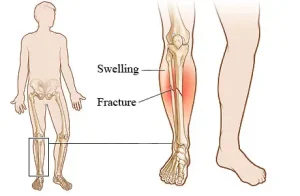
A broken leg refers to a fracture in one or more of the bones of the leg, most commonly the thigh bone, shinbone, or the smaller bone that runs alongside it. Leg fractures can range from minor cracks in the bone to severe breaks where the bone shifts out of position or pierces the skin. These injuries can significantly affect mobility and often require prompt medical care to ensure proper healing.
Symptoms
Symptoms of a broken leg usually appear immediately after injury, though severity may vary. Common symptoms include:
-
Intense pain that worsens with movement or weight-bearing
-
Swelling, bruising, or tenderness around the injured area
-
Inability to stand or walk on the affected leg
-
Visible deformity or abnormal angulation of the leg
-
Numbness or tingling if nearby nerves are affected
Severe fractures may involve open wounds or heavy bleeding.
Causes
A broken leg typically results from a strong force or trauma. Common causes include:
-
Falls from height or serious slips and trips
-
Motor vehicle or motorcycle accidents
-
Sports injuries involving contact or high impact
-
Direct blows to the leg
-
Repetitive stress in athletes, leading to stress fractures
Risk factors
Several factors can increase the risk of a broken leg:
-
Participation in high-impact sports or physical activities
-
Osteoporosis or weakened bones
-
Poor balance or coordination
-
Inadequate protective equipment
-
Previous leg injuries
Complications
Most broken legs heal well with proper treatment, but complications may occur, especially with severe injuries:
-
Delayed healing or failure of the bone to heal
-
Infection, particularly with open fractures
-
Blood clots due to reduced mobility
-
Chronic pain, stiffness, or reduced range of motion
-
Limb length differences or abnormal alignment
Prevention
While not all leg fractures can be prevented, certain steps may reduce the risk:
-
Wearing protective gear during sports and physical activities
-
Maintaining bone strength with proper nutrition and regular exercise
-
Taking precautions to prevent falls, especially in older adults
-
Following safety rules at work and on the road
-
Gradually increasing intensity during training or exercise programs
Early medical evaluation and appropriate care can help restore mobility and reduce the risk of long-term complications.
Advertisement
