
Overview
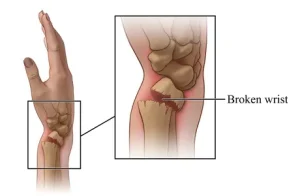
A broken wrist is a fracture in one or more of the bones that form the wrist joint, including the ends of the forearm bones or the small wrist bones. It is a common injury, often occurring after a fall onto an outstretched hand. Broken wrists can range from small cracks in the bone to severe fractures that disrupt joint alignment and movement. Early diagnosis and appropriate treatment are important to restore strength, flexibility, and normal wrist function.
Symptoms
Symptoms of a broken wrist usually develop immediately after injury and may include:
-
Pain that worsens with movement or gripping
-
Swelling and tenderness around the wrist
-
Bruising or discoloration
-
Difficulty moving the wrist or hand
-
Visible deformity or abnormal wrist position
-
Numbness or tingling if nerves are affected
Causes
A broken wrist is typically caused by sudden force or trauma. Common causes include:
-
Falls onto an outstretched hand
-
Sports injuries, especially during contact or high-impact activities
-
Motor vehicle or bicycle accidents
-
Direct blows to the wrist
-
Repetitive stress in certain activities
Risk factors
Several factors can increase the risk of a broken wrist:
-
Participation in sports or activities with a high risk of falls
-
Osteoporosis or weakened bones
-
Poor balance or coordination
-
Not using protective gear during activities
-
Previous wrist injuries
Complications
Most broken wrists heal well with proper care, but complications can occur in some cases:
-
Delayed healing or improper bone alignment
-
Chronic wrist pain or stiffness
-
Reduced grip strength or range of motion
-
Nerve or tendon injury
-
Arthritis in the wrist joint
Prevention
While not all wrist fractures can be prevented, certain measures may reduce the risk:
-
Wearing wrist guards during high-risk sports
-
Improving balance and strength to prevent falls
-
Maintaining bone health through proper nutrition and exercise
-
Using safety equipment at work and during recreational activities
-
Taking precautions to avoid slips and falls
Timely medical evaluation and appropriate treatment can help ensure proper healing and long-term wrist function.
Advertisement
