
Overview
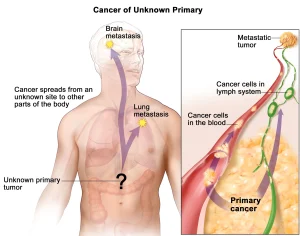
Carcinoma of unknown primary, often abbreviated as CUP, is a type of cancer in which malignant cells are found in the body, but the original site where the cancer began cannot be identified despite thorough medical evaluation. The cancer is usually discovered after it has spread to one or more parts of the body, such as lymph nodes, liver, lungs, or bones. CUP accounts for a small percentage of all cancer diagnoses and tends to be aggressive, requiring prompt and carefully tailored management.
Symptoms
Symptoms of carcinoma of unknown primary vary widely depending on where the cancer has spread and which organs are affected. In many cases, symptoms appear only after the disease has advanced.
Common symptoms include:
-
Unexplained weight loss
-
Persistent fatigue
-
Pain in the affected area
-
Swollen lymph nodes
-
Loss of appetite
Organ-specific symptoms may include:
-
Shortness of breath
-
Abdominal discomfort or swelling
-
Bone pain
-
Neurological symptoms such as headaches or weakness
Causes
The exact cause of carcinoma of unknown primary is not clearly understood. It is believed that the primary tumor may be very small, may have regressed, or may be difficult to detect using standard diagnostic methods.
Possible explanations include:
-
Early spread of cancer before the primary tumor becomes detectable
-
Immune system destruction of the primary tumor
-
Rapid growth of metastatic tumors
-
Genetic and molecular abnormalities driving aggressive behavior
Despite advances in imaging and pathology, the origin remains unidentified in some cases.
Risk Factors
Risk factors for carcinoma of unknown primary are similar to those for other cancers, although no specific risk factor is unique to CUP.
Common risk factors include:
-
Older age
-
History of smoking
-
Excessive alcohol consumption
-
Family history of cancer
-
Weakened immune system
-
Prior exposure to carcinogens
CUP can affect both men and women and occurs across different populations.
Complications
Carcinoma of unknown primary often leads to complications related to widespread disease and challenges in selecting targeted treatment.
Possible complications include:
-
Rapid progression of cancer
-
Organ dysfunction due to metastatic involvement
-
Chronic pain
-
Nutritional deficiencies
-
Increased susceptibility to infections
-
Reduced response to standard cancer therapies
The inability to identify the primary tumor can complicate treatment decisions and prognosis.
Prevention
There is no specific way to prevent carcinoma of unknown primary, but general cancer prevention strategies may help reduce overall risk.
Preventive measures include:
-
Avoiding tobacco use
-
Limiting alcohol intake
-
Maintaining a healthy diet and weight
-
Staying physically active
-
Managing chronic medical conditions
-
Participating in recommended cancer screening programs
Early medical evaluation of persistent or unexplained symptoms may improve outcomes by allowing earlier diagnosis and intervention.
Advertisement
