
Overview
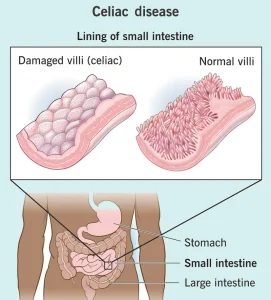
Celiac disease is an autoimmune disorder in which the ingestion of gluten—a protein found in wheat, barley, and rye—triggers an immune response that damages the small intestine. This damage impairs nutrient absorption and can lead to a wide range of gastrointestinal and systemic symptoms. Celiac disease can develop at any age and may present with classic digestive symptoms or atypical, non-gastrointestinal manifestations.
Symptoms
Symptoms of celiac disease can vary widely, and some individuals may have minimal or no digestive complaints.
Common symptoms include:
-
Diarrhea or constipation
-
Abdominal pain and bloating
-
Fatigue
-
Unexplained weight loss
-
Nausea and vomiting
Other possible symptoms include:
-
Anemia due to iron or vitamin deficiency
-
Bone or joint pain
-
Skin rashes, particularly dermatitis herpetiformis
-
Mouth ulcers
-
Neurological symptoms such as headaches or numbness
Causes
Celiac disease occurs when the immune system reacts abnormally to gluten, causing inflammation and damage to the lining of the small intestine.
Major causes include:
-
Genetic predisposition (HLA-DQ2 or HLA-DQ8 genes)
-
Environmental triggers, including gluten-containing foods
-
Immune system dysregulation
Although the genetic factor is necessary, not everyone with these genes develops celiac disease.
Risk Factors
Certain factors increase the likelihood of developing celiac disease.
Key risk factors include:
-
Family history of celiac disease
-
Type 1 diabetes or other autoimmune disorders
-
Down syndrome or Turner syndrome
-
History of gastrointestinal infections
-
Female sex (slightly higher prevalence than males)
Complications
Untreated celiac disease can lead to a variety of complications affecting multiple organ systems.
Potential complications include:
-
Malnutrition due to poor nutrient absorption
-
Osteoporosis or low bone density
-
Infertility or miscarriage
-
Neurological disorders
-
Increased risk of certain intestinal cancers
-
Lactose intolerance
Early diagnosis and management reduce the risk of long-term complications.
Prevention
There is no known way to prevent celiac disease in genetically predisposed individuals, but careful dietary management is essential after diagnosis.
Preventive and management strategies include:
-
Strict lifelong adherence to a gluten-free diet
-
Regular follow-up with a healthcare provider and dietitian
-
Monitoring for nutrient deficiencies and supplementation as needed
-
Avoiding cross-contamination with gluten-containing foods
Prompt recognition and dietary management help control symptoms and prevent complications associated with celiac disease.
Request an appointment
Advertisement
