
Overview
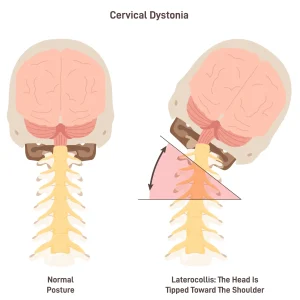
Cervical dystonia, also known as spasmodic torticollis, is a neurological movement disorder characterized by involuntary muscle contractions in the neck. These contractions cause abnormal head postures, repetitive movements, or twisting of the neck. The condition can be painful and may significantly interfere with daily activities. Cervical dystonia typically develops in adulthood and varies in severity among individuals.
Symptoms
Symptoms may begin gradually and often worsen over time before stabilizing.
-
Involuntary turning, tilting, or twisting of the head
-
Neck muscle stiffness or tightness
-
Neck and shoulder pain
-
Head tremors
-
Limited range of neck motion
-
Muscle spasms that may increase with stress or fatigue
-
Headache associated with neck strain
Causes of Cervical Dystonia
The exact cause of cervical dystonia is often unknown, but it is believed to involve abnormal functioning of the brain regions that control movement.
-
Dysfunction in the basal ganglia or related brain pathways
-
Genetic factors in some individuals
-
Neck or head trauma triggering symptom onset
-
Secondary causes related to other neurological conditions
-
Certain medications affecting dopamine pathways
Risk Factors for Cervical Dystonia
Several factors may increase the risk of developing cervical dystonia.
-
Middle-aged or older adults
-
Female sex
-
Family history of dystonia
-
History of head or neck injury
-
Exposure to certain medications that affect movement control
Complications of Cervical Dystonia
Cervical dystonia can lead to physical and psychological complications if not properly managed.
-
Chronic neck and shoulder pain
-
Reduced mobility and functional limitations
-
Muscle enlargement or imbalance
-
Cervical spine degeneration
-
Social anxiety or depression
-
Reduced quality of life
Prevention of Cervical Dystonia
There is no proven way to prevent cervical dystonia, but early recognition and management can help reduce symptom severity.
-
Seeking medical evaluation for persistent neck spasms
-
Avoiding unnecessary neck strain or injury
-
Managing stress, which may worsen symptoms
-
Following treatment plans to control muscle contractions
-
Regular follow-up with a healthcare provider
Cervical dystonia is a chronic condition, but appropriate treatment and supportive care can help control symptoms and improve daily functioning.
Advertisement
