
Overview
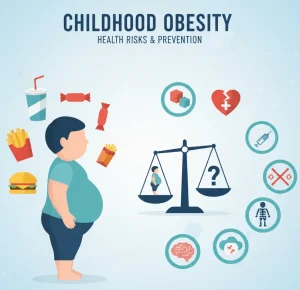
Childhood obesity is a medical condition in which a child has excess body fat that negatively affects their health and well-being. It is typically identified when a child’s body mass index (BMI) is significantly higher than what is considered healthy for their age and sex. Childhood obesity has become increasingly common worldwide and is associated with both immediate and long-term health risks. Early identification and lifestyle changes play a crucial role in preventing complications that can persist into adulthood.
Symptoms
Childhood obesity may not always present with obvious symptoms, but certain physical and behavioral signs can indicate excess weight.
Common symptoms and signs include:
-
Noticeable weight gain beyond normal growth patterns
-
Shortness of breath during physical activity
-
Fatigue or low energy levels
-
Excessive sweating
-
Difficulty keeping up with peers during exercise
Some children may also experience:
-
Sleep problems such as snoring
-
Joint or back pain
-
Low self-esteem or social withdrawal
Causes
Childhood obesity develops when calorie intake consistently exceeds the amount of energy the body uses. This imbalance is influenced by multiple factors.
Major causes include:
-
High consumption of calorie-dense, low-nutrient foods
-
Sugary drinks and frequent snacking
-
Lack of physical activity
-
Excessive screen time
-
Poor sleep habits
Genetic, environmental, and behavioral factors often interact to increase the risk.
Risk Factors
Several factors raise the likelihood of a child developing obesity.
Key risk factors include:
-
Family history of obesity
-
Sedentary lifestyle
-
Unhealthy eating habits at home
-
Limited access to healthy foods
-
Socioeconomic challenges
-
Psychological stress or emotional eating
-
Certain medical conditions or medications
Early-life factors such as low physical activity and poor dietary patterns contribute significantly.
Complications
Childhood obesity can lead to serious health problems during childhood and later in life.
Potential complications include:
-
Type 2 diabetes
-
High blood pressure and high cholesterol
-
Asthma and breathing problems
-
Fatty liver disease
-
Joint and bone problems
-
Early puberty or hormonal imbalance
-
Anxiety, depression, and low self-confidence
Children with obesity are more likely to remain obese as adults, increasing long-term health risks.
Prevention
Childhood obesity is largely preventable through healthy lifestyle habits established early in life.
Effective prevention strategies include:
-
Encouraging balanced meals with fruits, vegetables, and whole grains
-
Limiting sugary drinks and processed foods
-
Promoting regular physical activity
-
Reducing screen time
-
Ensuring adequate sleep
-
Involving the whole family in healthy lifestyle changes
Supportive home and school environments play an essential role in helping children maintain a healthy weight and overall well-being.
Request an appointment
Advertisement
