
Overview
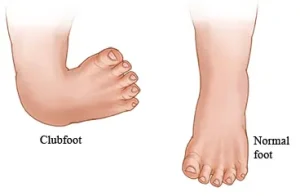
Clubfoot, medically known as talipes equinovarus, is a congenital condition in which a baby is born with one or both feet twisted out of their normal position. The affected foot is usually turned inward and downward, making it difficult or impossible to place the sole flat on the ground without treatment.
Clubfoot is present at birth and occurs due to abnormal development of the muscles, tendons, and bones of the foot and lower leg. With early and proper treatment, most children with clubfoot can walk, run, and lead active lives without significant limitations.
Symptoms
The signs of clubfoot are typically noticeable at birth and vary in severity.
Common symptoms include:
-
Foot turned inward and downward
-
Abnormally shaped or smaller foot
-
Shortened or tight Achilles tendon
-
Stiffness and limited movement of the foot
-
Smaller calf muscles on the affected leg
-
One or both feet may be affected
Clubfoot is not usually painful in infants, but untreated cases can cause significant mobility problems later in life.
Causes
The exact cause of clubfoot is not always known. It is believed to result from a combination of genetic and environmental factors that affect fetal development.
Possible causes include:
-
Genetic predisposition or family history
-
Abnormal muscle or tendon development
-
Neuromuscular conditions
-
Restricted movement of the fetus in the womb
-
Environmental influences during pregnancy
In many cases, clubfoot occurs without any other associated medical conditions.
Risk Factors
Certain factors increase the likelihood of a baby being born with clubfoot.
These include:
-
Family history of clubfoot
-
Male sex, as it occurs more commonly in boys
-
Maternal smoking during pregnancy
-
Low levels of amniotic fluid
-
Certain congenital or neuromuscular disorders
Clubfoot can occur in otherwise healthy infants.
Complications
If clubfoot is not treated early, it can lead to long-term physical and functional complications.
Possible complications include:
-
Difficulty walking or running
-
Abnormal gait or posture
-
Pain and calluses from walking on the side of the foot
-
Joint stiffness and limited mobility
-
Emotional or social challenges related to physical disability
Early treatment greatly reduces the risk of complications.
Prevention
There is no guaranteed way to prevent clubfoot, as many cases occur without a known cause. However, certain measures may reduce risk during pregnancy.
Preventive strategies include:
-
Avoiding smoking and alcohol during pregnancy
-
Maintaining good prenatal care
-
Managing chronic health conditions
-
Following medical advice regarding medication use during pregnancy
Early diagnosis, often made through prenatal ultrasound or at birth, and prompt treatment using casting, bracing, or surgery can result in excellent long-term outcomes for children with clubfoot.
Request an appointment
Advertisement
