
Overview
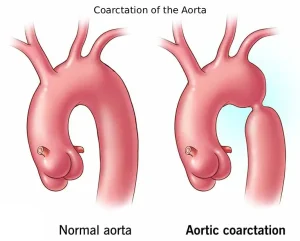
Coarctation of the aorta is a congenital heart defect in which a section of the aorta, the main artery that carries blood from the heart to the body, is abnormally narrowed. This narrowing restricts blood flow to the lower part of the body and increases pressure in the upper body, forcing the heart to work harder to pump blood.
The condition is present at birth, but symptoms may appear in infancy, childhood, or adulthood depending on the severity of the narrowing. With timely diagnosis and treatment, most individuals can lead active and healthy lives.
Symptoms
Symptoms of coarctation of the aorta vary based on age and the degree of narrowing.
Common symptoms in infants include:
-
Rapid or labored breathing
-
Poor feeding
-
Excessive sweating
-
Pale skin
-
Weakness or irritability
-
Failure to thrive
Common symptoms in older children and adults include:
-
High blood pressure, especially in the arms
-
Headaches
-
Nosebleeds
-
Cold feet or legs
-
Leg cramps or fatigue during exercise
-
Shortness of breath
-
Chest pain
Some individuals may remain asymptomatic for years.
Causes
Coarctation of the aorta occurs due to abnormal development of the aorta during fetal growth. The exact reason for this abnormal development is not always known.
Possible causes and associations include:
-
Congenital heart development abnormalities
-
Genetic factors
-
Association with other heart defects
-
Conditions such as Turner syndrome
The condition is not caused by lifestyle factors and is not preventable after birth.
Risk Factors
Certain factors increase the likelihood of having coarctation of the aorta.
These include:
-
Family history of congenital heart defects
-
Presence of other congenital heart conditions
-
Genetic syndromes, such as Turner syndrome
-
Male sex, as it occurs more frequently in males
Early screening helps identify at-risk infants.
Complications
If left untreated, coarctation of the aorta can lead to serious complications due to prolonged high blood pressure and reduced blood flow.
Possible complications include:
-
Severe hypertension
-
Heart failure
-
Aortic rupture or dissection
-
Stroke
-
Premature coronary artery disease
-
Kidney damage
-
Increased risk of brain aneurysms
Timely treatment greatly reduces these risks.
Prevention
There is no known way to prevent coarctation of the aorta because it is a congenital condition. However, early detection and appropriate treatment are essential for preventing complications.
Helpful preventive and long-term care measures include:
-
Prenatal screening when congenital heart disease is suspected
-
Newborn and childhood cardiac evaluations
-
Regular follow-up with a cardiologist
-
Monitoring and controlling blood pressure
-
Adhering to prescribed medications or treatment plans
Early diagnosis and lifelong medical follow-up play a key role in maintaining heart health in individuals with coarctation of the aorta.
Advertisement
