
Overview
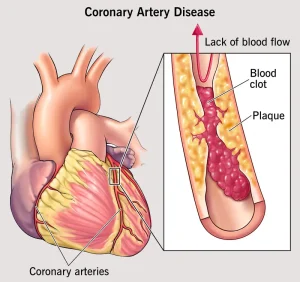
Coronary artery disease is a common heart condition in which the coronary arteries that supply blood to the heart muscle become narrowed or blocked due to the buildup of fatty deposits, known as plaque. This process, called atherosclerosis, reduces blood flow to the heart and can lead to chest pain, shortness of breath, or heart attacks. Coronary artery disease develops gradually and is a leading cause of heart-related illness worldwide.
Symptoms
Symptoms of coronary artery disease may differ between individuals and can range from mild to severe. Some people may not experience symptoms until the disease is advanced. Common symptoms include:
-
Chest pain or discomfort, often described as pressure or tightness
-
Shortness of breath during physical activity or stress
-
Fatigue with exertion
-
Pain or discomfort in the shoulders, arms, neck, jaw, or back
-
Dizziness or lightheadedness
-
Nausea or sweating during episodes of chest discomfort
Causes
Coronary artery disease is primarily caused by the gradual accumulation of plaque inside the coronary arteries. This buildup damages the inner lining of the arteries and triggers inflammation. Over time, the arteries become stiff and narrow, limiting blood flow. Plaque rupture can also lead to blood clot formation, which may suddenly block an artery and cause a heart attack.
Risk Factors
Several factors increase the risk of developing coronary artery disease:
-
High cholesterol levels
-
High blood pressure
-
Smoking or tobacco use
-
Diabetes
-
Obesity or overweight
-
Physical inactivity
-
Unhealthy diet high in saturated fats and sugar
-
Family history of heart disease
-
Advancing age
Complications
If not properly managed, coronary artery disease can lead to serious complications:
-
Angina, or chronic chest pain
-
Heart attack due to sudden artery blockage
-
Heart failure
-
Abnormal heart rhythms
-
Reduced quality of life and physical endurance
-
Increased risk of sudden cardiac death
Prevention
Coronary artery disease can often be prevented or its progression slowed through lifestyle and medical interventions:
-
Adopting a heart-healthy diet rich in fruits, vegetables, and whole grains
-
Engaging in regular physical activity
-
Maintaining a healthy body weight
-
Quitting smoking and avoiding secondhand smoke
-
Managing blood pressure, cholesterol, and blood sugar levels
-
Reducing stress and following medical advice for long-term heart health
Request an appointment
Advertisement
