
Overview
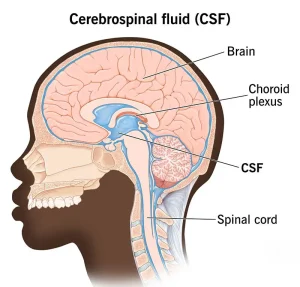
A cerebrospinal fluid leak occurs when the fluid that surrounds and protects the brain and spinal cord escapes through a tear or hole in the membranes that contain it. This condition can lead to changes in pressure around the brain and spinal cord, causing a variety of neurological symptoms. Cerebrospinal fluid leaks may develop spontaneously or occur after injury, surgery, or medical procedures involving the spine or head.
Symptoms
Symptoms of a cerebrospinal fluid leak vary depending on the location and severity of the leak.
Common symptoms include:
-
Headache that worsens when standing or sitting and improves when lying down
-
Clear, watery drainage from the nose or ear
-
Neck stiffness or pain
-
Nausea or vomiting
-
Sensitivity to light
-
Hearing changes or ringing in the ears
-
Dizziness or balance problems
-
Fatigue or difficulty concentrating
Headaches related to cerebrospinal fluid leaks are often described as positional.
Causes
Cerebrospinal fluid leaks occur when the protective layers around the brain or spinal cord are disrupted.
Common causes include:
-
Head or spinal trauma
-
Recent surgery involving the brain, sinuses, or spine
-
Lumbar puncture or spinal anesthesia
-
Spinal disc disease or bone spurs
-
Connective tissue disorders
-
Spontaneous leaks with no clear cause
The leak allows cerebrospinal fluid to escape, lowering pressure in the central nervous system.
Risk factors
Certain factors increase the risk of developing a cerebrospinal fluid leak.
Risk factors include:
-
Recent head or spinal injury
-
History of neurosurgical or sinus procedures
-
Connective tissue disorders
-
Repeated spinal procedures
-
High body mass index in some cases
Spontaneous leaks may occur without obvious risk factors.
Complications
If left untreated, a cerebrospinal fluid leak can lead to serious complications.
Possible complications include:
-
Chronic headaches and reduced quality of life
-
Meningitis due to increased infection risk
-
Persistent neurological symptoms
-
Hearing loss or vision problems
-
Subdural hematoma in severe cases
Prompt diagnosis and treatment reduce the likelihood of complications.
Prevention
Not all cerebrospinal fluid leaks can be prevented, but certain measures may reduce risk.
Preventive strategies include:
-
Using protective gear to prevent head and spine injuries
-
Following post-procedure care instructions after spinal or sinus procedures
-
Managing connective tissue disorders appropriately
-
Seeking early medical attention for persistent positional headaches
-
Avoiding activities that increase strain after head or spinal surgery
Early recognition and proper management are key to preventing serious outcomes.
Advertisement
