
Overview
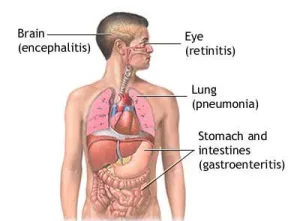
Cytomegalovirus infection is a common viral infection caused by a member of the herpesvirus family. Many people are infected at some point in their lives and may never develop symptoms. Once infected, the virus remains in the body in a dormant state and can reactivate later. Cytomegalovirus infection is usually mild in healthy individuals but can cause serious illness in people with weakened immune systems and in newborns infected before birth.
Symptoms
Symptoms of cytomegalovirus infection vary depending on age and immune status.
Common symptoms in healthy individuals include:
-
Fatigue
-
Fever
-
Sore throat
-
Muscle aches
-
Swollen lymph nodes
Symptoms in infants and immunocompromised individuals may be more severe and involve multiple organs.
Causes
Cytomegalovirus infection is caused by direct exposure to the virus through bodily fluids.
Modes of transmission include:
-
Saliva
-
Urine
-
Blood
-
Semen
-
Breast milk
-
Organ transplantation
-
Blood transfusions
The virus spreads through close personal contact and is not highly contagious through casual contact.
Risk factors
Certain factors increase the risk of developing severe cytomegalovirus infection.
Risk factors include:
-
Weakened immune system due to illness or medications
-
Organ or bone marrow transplantation
-
HIV infection
-
Pregnancy, due to risk of congenital infection
-
Close contact with young children, especially in childcare settings
Most healthy adults experience mild or no symptoms.
Complications
Cytomegalovirus infection can cause serious complications in vulnerable populations.
Possible complications include:
-
Vision loss due to retinal infection
-
Pneumonia
-
Inflammation of the liver or intestines
-
Neurological damage
-
Hearing loss in infants with congenital infection
-
Developmental delays in affected newborns
Early detection and monitoring help reduce the risk of long-term complications.
Prevention
There is no vaccine for cytomegalovirus infection, but preventive measures can reduce transmission.
Preventive strategies include:
-
Frequent and thorough handwashing
-
Avoiding sharing food, drinks, or utensils
-
Practicing safe sex
-
Using gloves when handling diapers or bodily fluids
-
Careful screening of blood and organ donors
-
Regular prenatal care and education during pregnancy
Good hygiene practices are essential in reducing the spread of cytomegalovirus.
Request an appointment
Advertisement
