
Overview
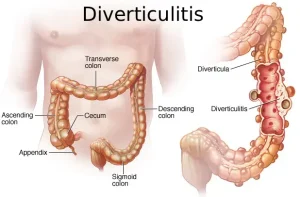
Diverticulitis is a digestive condition that occurs when small pouches, known as diverticula, that form in the lining of the digestive tract become inflamed or infected. It most commonly affects the large intestine and can range from mild to severe. Diverticulitis may develop suddenly and can require medical treatment depending on severity.
Symptoms
Symptoms can vary from mild discomfort to severe illness:
-
Lower abdominal pain, usually on the left side
-
Tenderness in the abdomen
-
Fever and chills
-
Nausea or vomiting
-
Changes in bowel habits such as constipation or diarrhea
-
Bloating
-
Loss of appetite
Causes
Diverticulitis develops when diverticula become inflamed or infected:
-
Blockage of diverticula by stool
-
Bacterial overgrowth within the pouches
-
Increased pressure inside the colon
-
Weak areas in the intestinal wall
-
Chronic constipation
Risk Factors
Several factors increase the risk of developing diverticulitis:
-
Increasing age
-
Low-fiber diet
-
Lack of physical activity
-
Obesity
-
Smoking
-
Use of certain medications such as nonsteroidal anti-inflammatory drugs
-
Family history of diverticular disease
Complications
Severe or untreated diverticulitis can lead to serious complications:
-
Abscess formation
-
Intestinal perforation
-
Peritonitis
-
Fistula formation
-
Intestinal obstruction
-
Chronic or recurrent episodes
Prevention
Preventive strategies focus on maintaining colon health:
-
Eating a high-fiber diet
-
Drinking adequate fluids
-
Engaging in regular physical activity
-
Avoiding smoking
-
Maintaining a healthy body weight
-
Managing constipation effectively
-
Seeking early medical care for persistent abdominal symptoms
Advertisement
