
Overview
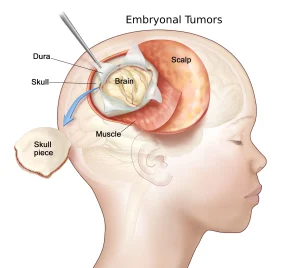
Embryonal tumors are a group of aggressive cancers that arise from immature or undeveloped cells, most commonly affecting infants and young children. These tumors develop when cells that are normally involved in early growth and development fail to mature properly and begin to grow uncontrollably. Embryonal tumors can occur in various parts of the body, including the brain, nervous system, kidneys, and soft tissues.
Symptoms
Symptoms of embryonal tumors depend on the tumor type, size, and location. They may develop rapidly and worsen over time. Common symptoms include:
-
Unexplained weight loss or poor weight gain in children
-
Fatigue or weakness
-
Persistent pain or swelling in a specific area
-
Neurological symptoms such as headaches, vomiting, seizures, or balance problems when the brain is involved
-
Changes in vision, behavior, or school performance
-
Fever or signs of increased pressure in the skull
Causes
The exact cause of embryonal tumors is often unknown. They are thought to arise from genetic changes that occur during early development, leading to abnormal cell growth. In most cases, these genetic changes happen sporadically and are not inherited from parents.
Risk Factors
Certain factors may increase the risk of developing embryonal tumors, including:
-
Very young age, especially infancy and early childhood
-
Certain inherited genetic syndromes
-
Family history of childhood cancers
-
Abnormalities in fetal development
Complications
Embryonal tumors can cause serious complications due to their aggressive nature and location. Possible complications include:
-
Rapid tumor growth causing pressure on surrounding organs or tissues
-
Neurological impairment when the brain or spinal cord is affected
-
Delayed growth and development in children
-
Side effects from intensive cancer treatments
-
Risk of recurrence after treatment
Prevention
There is no known way to prevent most embryonal tumors. However, certain steps may help reduce complications and support early detection:
-
Regular pediatric health checkups
-
Prompt medical evaluation of persistent or unusual symptoms in children
-
Genetic counseling for families with known inherited cancer syndromes
-
Ongoing monitoring after treatment to detect recurrence early
Early diagnosis and specialized treatment are essential to improve outcomes and quality of life for children affected by embryonal tumors.
Advertisement
