
Overview
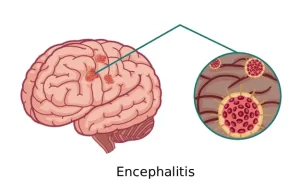
Encephalitis is a serious condition characterized by inflammation of the brain, most often caused by viral infections, though bacterial, autoimmune, or other causes are also possible. The inflammation can interfere with normal brain function and may range from mild to life-threatening. Encephalitis can affect people of all ages and requires prompt medical evaluation and treatment.
Symptoms
Symptoms of encephalitis may develop suddenly or gradually and can vary in severity. Common symptoms include:
-
Fever
-
Headache
-
Confusion, disorientation, or changes in behavior
-
Memory problems
-
Seizures
-
Sensitivity to light
-
Weakness or loss of movement
-
Difficulty speaking or understanding speech
In infants and young children, symptoms may include irritability, poor feeding, vomiting, or a bulging soft spot on the head.
Causes
Encephalitis is most commonly caused by viral infections, but other causes may also lead to brain inflammation. These include:
-
Viruses such as herpes simplex, enteroviruses, or mosquito-borne viruses
-
Bacterial infections in rare cases
-
Autoimmune reactions where the immune system attacks brain tissue
-
Complications from other infections affecting the body
Risk Factors
Several factors increase the risk of developing encephalitis, including:
-
Weakened immune system
-
Very young age or older adulthood
-
Exposure to mosquitoes or ticks in certain regions
-
Lack of vaccination against preventable viral infections
-
Chronic medical conditions
Complications
Encephalitis can result in serious and sometimes long-term complications, depending on severity and how quickly treatment begins. Possible complications include:
-
Memory and concentration problems
-
Speech or movement difficulties
-
Personality or behavior changes
-
Chronic seizures
-
Brain damage
-
Coma or death in severe cases
Prevention
Some forms of encephalitis can be prevented through protective measures, including:
-
Staying up to date with recommended vaccinations
-
Using insect repellents and protective clothing in areas with mosquitoes or ticks
-
Practicing good hygiene to reduce viral spread
-
Avoiding contact with individuals who have active viral infections
-
Seeking prompt medical care for high fever or neurological symptoms
Early recognition and treatment of encephalitis are critical to reducing complications and improving outcomes.
Advertisement
