
Overview
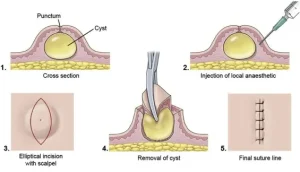
Epidermoid cysts are common, noncancerous growths that develop beneath the skin. They form when skin cells move deeper into the skin instead of shedding normally, leading to a slow-growing sac filled with keratin. These cysts can appear anywhere on the body but are most often found on the face, neck, scalp, back, and trunk. Epidermoid cysts are usually harmless but may become uncomfortable or infected in some cases.
Symptoms
Epidermoid cysts typically develop gradually and may remain unnoticed for a long time. Common symptoms include:
-
A small, round lump under the skin
-
Smooth, dome-shaped swelling
-
A visible central opening or pore on the cyst
-
Thick, yellowish or white material that may drain if the cyst ruptures
-
Mild tenderness if the cyst becomes inflamed or infected
-
Redness and warmth in infected cysts
Pain or rapid growth should be medically evaluated.
Causes
Epidermoid cysts form when skin cells multiply beneath the skin rather than shedding from the surface. Common causes include:
-
Blocked hair follicles
-
Skin trauma or injury
-
Damage to oil glands
-
Acne-related skin changes
-
Rare genetic conditions affecting skin cell turnover
The trapped cells produce keratin, which accumulates and forms the cyst.
Risk Factors
Certain factors increase the likelihood of developing epidermoid cysts:
-
History of acne or oily skin
-
Skin injuries or surgical wounds
-
Middle adulthood, though cysts can occur at any age
-
Male gender
-
Genetic skin disorders in rare cases
These factors may contribute to cyst formation.
Complications
Although usually harmless, epidermoid cysts can lead to complications:
-
Infection causing pain, swelling, and pus formation
-
Rupture leading to inflammation and irritation
-
Scarring after inflammation or removal
-
Rare transformation into malignant tumors
Early care helps prevent infection and discomfort.
Prevention
Epidermoid cysts cannot always be prevented, but certain measures may reduce risk:
-
Practicing good skin hygiene
-
Managing acne and oily skin effectively
-
Avoiding unnecessary skin trauma
-
Seeking early treatment for inflamed or infected cysts
-
Not squeezing or picking at cysts
Regular skin monitoring supports early detection and proper management of epidermoid cysts.
Advertisement
