
Overview
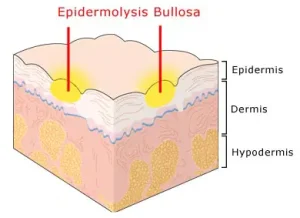
Epidermolysis bullosa is a rare genetic condition that causes extremely fragile skin and mucous membranes. In people with this disorder, the skin blisters and tears easily in response to minor friction, pressure, or trauma. The condition is usually present at birth or appears in early childhood and can range from mild to severe forms. Epidermolysis bullosa affects not only the skin but may also involve the mouth, esophagus, and other internal tissues in more severe cases.
Symptoms
Symptoms of epidermolysis bullosa vary depending on the type and severity of the condition. Common symptoms include:
-
Fragile skin that blisters easily
-
Painful open sores or wounds
-
Scarring and thickened skin over time
-
Loss of fingernails or toenails
-
Thickened or misshapen nails
-
Blisters inside the mouth or throat
-
Difficulty swallowing in severe cases
-
Delayed wound healing
-
Increased risk of infections
Symptoms often begin in infancy or early childhood.
Causes
Epidermolysis bullosa is caused by inherited genetic mutations that affect proteins responsible for holding layers of the skin together. These defective proteins weaken the skin structure, making it prone to blistering. The condition may be inherited in an autosomal dominant or autosomal recessive pattern, depending on the specific type.
Risk Factors
Certain factors increase the likelihood of developing epidermolysis bullosa:
-
Family history of the condition
-
Inherited genetic mutations affecting skin structure
-
Consanguineous parentage in rare inherited forms
Most cases are linked to genetic inheritance rather than environmental factors.
Complications
Epidermolysis bullosa can lead to serious and sometimes life-threatening complications:
-
Chronic skin infections
-
Scarring that limits movement of joints
-
Difficulty eating and poor nutrition
-
Anemia due to chronic blood loss
-
Dehydration and electrolyte imbalance
-
Increased risk of aggressive skin cancer in severe forms
-
Reduced quality of life due to chronic pain
Ongoing medical care is essential to manage complications.
Prevention
There is no known way to prevent epidermolysis bullosa, as it is a genetic condition. However, certain measures can help reduce complications and improve quality of life:
-
Gentle skin care to minimize friction and injury
-
Using protective dressings and padding
-
Early treatment of wounds and infections
-
Nutritional support for growth and healing
-
Genetic counseling for affected families
Early diagnosis, careful skin management, and long-term medical support are key to managing epidermolysis bullosa effectively.
Advertisement
