
Overview
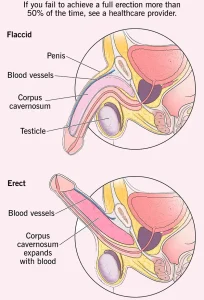
Erectile dysfunction is a common condition in which a man has difficulty achieving or maintaining an erection sufficient for satisfactory sexual activity. It can occur occasionally or persist over time, affecting physical health, emotional well-being, and relationships. Erectile dysfunction is not a normal part of aging, although the likelihood increases with age. In many cases, it is a symptom of an underlying medical, psychological, or lifestyle-related issue that can be identified and treated.
Symptoms of Erectile Dysfunction
The symptoms of erectile dysfunction may vary in severity and frequency. Common signs include:
-
Difficulty getting an erection
-
Trouble maintaining an erection during sexual activity
-
Reduced rigidity of erections
-
Decreased sexual desire in some cases
-
Anxiety or stress related to sexual performance
Causes of Erectile Dysfunction
Erectile dysfunction can result from physical, psychological, or combined factors. Common causes include:
-
Reduced blood flow to the penis due to cardiovascular disease
-
Nerve damage from conditions such as diabetes or spinal injuries
-
Hormonal imbalances, particularly low testosterone levels
-
Psychological factors such as stress, anxiety, or depression
-
Side effects of certain medications, including those for blood pressure or depression
-
Lifestyle factors such as smoking, excessive alcohol use, or lack of physical activity
Risk Factors for Erectile Dysfunction
Several factors increase the likelihood of developing erectile dysfunction, including:
-
Advancing age
-
Diabetes and other metabolic disorders
-
High blood pressure or high cholesterol
-
Obesity
-
Smoking or tobacco use
-
Chronic stress or mental health conditions
-
Sedentary lifestyle
Complications of Erectile Dysfunction
If left untreated, erectile dysfunction can lead to various physical and emotional complications, such as:
-
Relationship difficulties or reduced intimacy
-
Low self-esteem or confidence
-
Anxiety or depressive symptoms
-
Reduced quality of life
-
Possible indication of underlying heart or vascular disease
Prevention of Erectile Dysfunction
While not all cases can be prevented, certain measures can reduce the risk of erectile dysfunction:
-
Maintaining a healthy weight through balanced nutrition
-
Engaging in regular physical activity
-
Managing chronic conditions such as diabetes and hypertension
-
Avoiding smoking and limiting alcohol consumption
-
Managing stress through relaxation techniques or counseling
-
Seeking medical advice early when symptoms appear
Early evaluation and appropriate management of erectile dysfunction can improve sexual health and may also help identify and address other important health conditions.
Advertisement
