
Overview
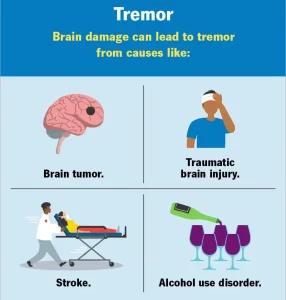
Essential tremor is a common neurological movement disorder that causes involuntary, rhythmic shaking, most often affecting the hands and arms. It may also involve the head, voice, or legs. The tremor typically occurs during voluntary movements such as writing, eating, or holding objects, rather than at rest. Essential tremor can appear at any age but is more common in older adults and often progresses gradually over time.
Symptoms
Symptoms of essential tremor can range from mild to disabling and usually worsen with activity. Common symptoms include:
-
Shaking of the hands during movement or when holding objects
-
Tremor affecting one or both sides of the body
-
Head nodding or shaking
-
Quivering or shaky voice
-
Difficulty with fine motor tasks such as writing or buttoning clothes
-
Tremor that worsens with stress, fatigue, or caffeine
Symptoms may improve temporarily with relaxation or rest.
Causes
The exact cause of essential tremor is not fully understood. It is believed to involve abnormal communication between certain areas of the brain that control movement. In many cases, the condition runs in families, suggesting a genetic component. Changes in brain regions such as the cerebellum may play a role in tremor development.
Risk Factors
Several factors increase the likelihood of developing essential tremor:
-
Family history of essential tremor
-
Increasing age
-
Exposure to certain environmental factors
-
Neurological sensitivity to stress or stimulants
Having a family history significantly raises the risk.
Complications
Essential tremor is not life-threatening, but it can lead to complications that affect daily life:
-
Difficulty performing everyday activities
-
Social embarrassment or reduced confidence
-
Anxiety or depression related to chronic symptoms
-
Increased risk of falls if balance is affected
-
Progressive worsening of tremor over time
Early management can help reduce functional limitations.
Prevention
There is no known way to prevent essential tremor, especially when it is inherited. However, certain strategies can help reduce symptom severity:
-
Avoiding caffeine and other stimulants
-
Managing stress through relaxation techniques
-
Getting adequate rest and sleep
-
Following prescribed treatments to control tremors
-
Using adaptive tools to assist with daily tasks
Ongoing medical care and lifestyle adjustments play an important role in managing essential tremor and maintaining quality of life.
Advertisement
