
Overview
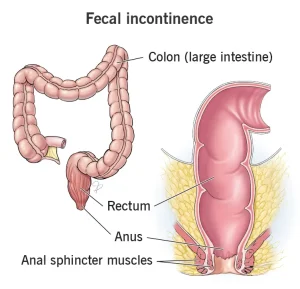
Fecal incontinence is the inability to control bowel movements, leading to the accidental leakage of stool. The condition can range from occasional leakage during physical activity to a complete loss of bowel control. Fecal incontinence affects people of all ages but is more common in older adults and individuals with underlying digestive, neurological, or pelvic floor conditions. Although it can be distressing, effective management options are available.
Symptoms
Symptoms of fecal incontinence vary in severity and frequency:
-
Leakage of stool without warning
-
Urgent need to have a bowel movement with difficulty reaching the toilet in time
-
Inability to control gas
-
Soiling of underwear
-
Feeling of incomplete bowel emptying
-
Skin irritation or discomfort around the anus
Symptoms may occur occasionally or become chronic.
Causes
Fecal incontinence occurs when normal bowel control mechanisms are disrupted. Causes may involve muscles, nerves, or bowel function:
-
Weak or damaged anal sphincter muscles
-
Nerve damage affecting bowel sensation or control
-
Chronic constipation leading to stool leakage
-
Diarrhea that overwhelms bowel control
-
Rectal prolapse or reduced rectal capacity
-
Childbirth-related pelvic floor injury
Multiple causes may be present in a single individual.
Risk Factors
Several factors increase the risk of developing fecal incontinence:
-
Older age
-
History of childbirth, especially vaginal delivery
-
Chronic constipation or diarrhea
-
Neurological disorders such as stroke or spinal cord injury
-
Diabetes-related nerve damage
-
Pelvic surgery or radiation therapy
-
Cognitive impairment
Women and individuals with long-standing bowel disorders are at higher risk.
Complications
If untreated, fecal incontinence can lead to physical and emotional complications:
-
Skin breakdown, rashes, or infections around the anal area
-
Social embarrassment and withdrawal
-
Anxiety or depression
-
Reduced quality of life
-
Increased risk of urinary tract infections due to poor hygiene
Early management helps reduce both physical and psychological impacts.
Prevention
Fecal incontinence cannot always be prevented, but certain measures may reduce risk:
-
Maintaining regular bowel habits
-
Managing constipation and diarrhea promptly
-
Eating a balanced diet with adequate fiber
-
Staying physically active to support bowel function
-
Performing pelvic floor exercises
-
Seeking early treatment for bowel or pelvic floor disorders
Proactive bowel care and early medical evaluation play an important role in preventing fecal incontinence and its complications.
Advertisement
