
Overview
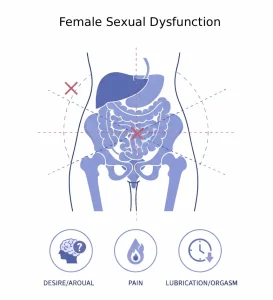
Female sexual dysfunction refers to persistent problems that affect sexual desire, arousal, orgasm, or comfort during sexual activity and cause personal distress. It can occur at any stage of life and may be temporary or long term. Female sexual dysfunction is influenced by physical, psychological, hormonal, and social factors and often involves more than one contributing cause. Open discussion and proper medical evaluation can help identify effective management options.
Symptoms
Symptoms vary depending on the type of sexual dysfunction and may include:
-
Low or absent sexual desire
-
Difficulty becoming aroused or staying aroused
-
Reduced vaginal lubrication
-
Difficulty reaching orgasm
-
Pain or discomfort during intercourse
-
Decreased sexual satisfaction
Symptoms must be ongoing and distressing to be considered a disorder.
Causes
Female sexual dysfunction often results from a combination of factors:
-
Hormonal changes, including menopause or postpartum changes
-
Chronic medical conditions such as diabetes or heart disease
-
Pelvic floor disorders or gynecological conditions
-
Certain medications, including antidepressants or blood pressure drugs
-
Psychological factors such as stress, anxiety, or depression
-
Relationship issues or past sexual trauma
Physical and emotional causes frequently overlap.
Risk Factors
Several factors increase the likelihood of female sexual dysfunction:
-
Increasing age
-
Menopause or surgical removal of ovaries
-
Chronic illness or pain conditions
-
Mental health disorders
-
Hormonal imbalances
-
Relationship conflict or poor communication
-
Fatigue and high stress levels
Lifestyle and overall health play a significant role in sexual well-being.
Complications
If untreated, female sexual dysfunction can lead to:
-
Emotional distress or reduced self-esteem
-
Anxiety or depression
-
Strained intimate relationships
-
Avoidance of sexual activity
-
Reduced overall quality of life
Early recognition and support can help prevent these complications.
Prevention
Female sexual dysfunction cannot always be prevented, but certain steps may reduce risk:
-
Maintaining a healthy lifestyle with regular exercise
-
Managing chronic medical conditions effectively
-
Addressing stress, anxiety, or depression early
-
Open communication with sexual partners
-
Seeking medical advice for hormonal or gynecological concerns
-
Reviewing medications that may affect sexual function
Early intervention and a holistic approach to health can help support sexual function and overall well-being.
Advertisement
